Countries of the World (Africa) - Sierra Leone
Fifth country from Africa in my new geography series. So far I have been pretty happy with the format on these first few, but one small change you might notice I made (and went back to fix on earlier ones) was including "Internet Access Rate" rather than "Literacy Rate" for countries. I forgot I made that change the last 2-3 years in the classroom - felt like students could relate to it easier (and it helped them judge the development status of countries).
Section I - Basic Info on Sierra Leone
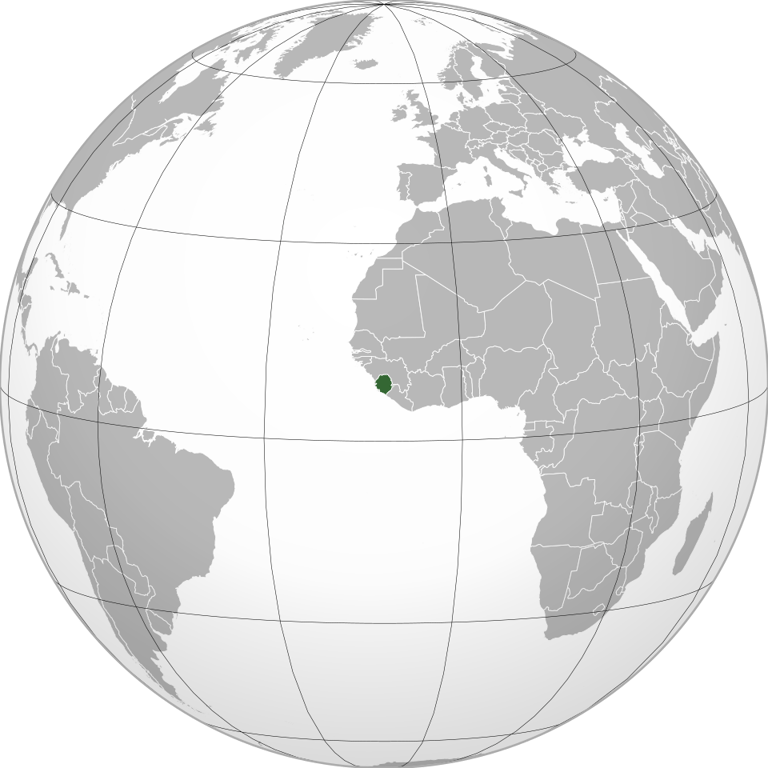
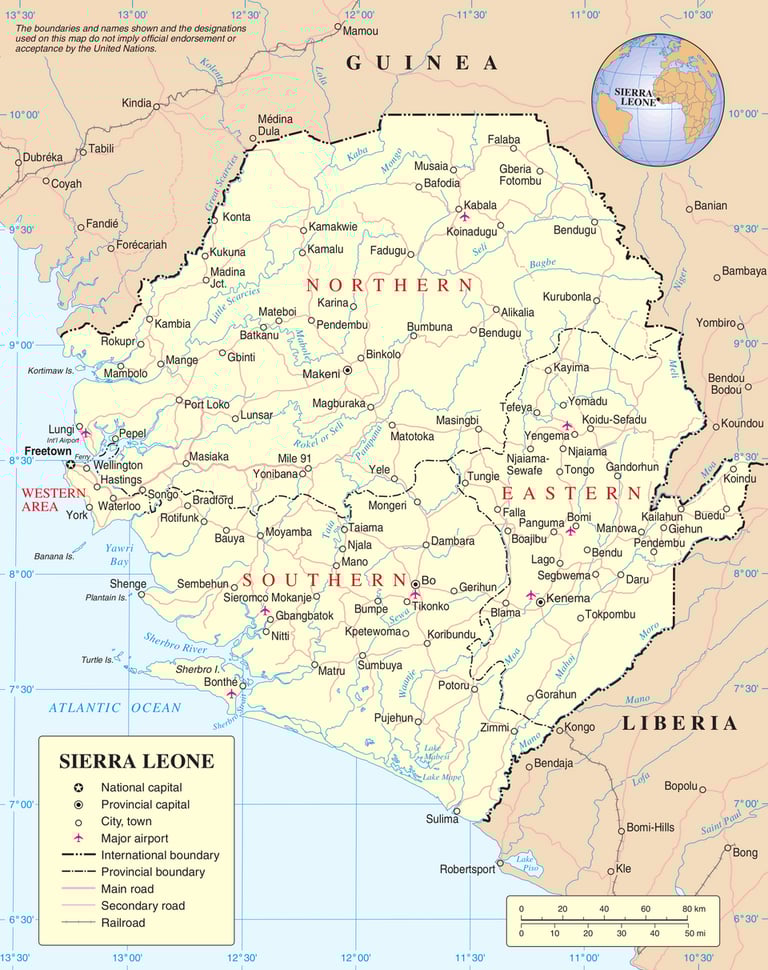
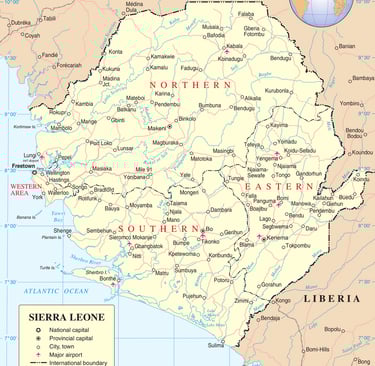
Official Name: Republic of Sierra Leone
Population: 9,331,203 (99th largest in the world, 34th largest in Africa)
Area/Size: 27,699 square miles (half the size of New York)
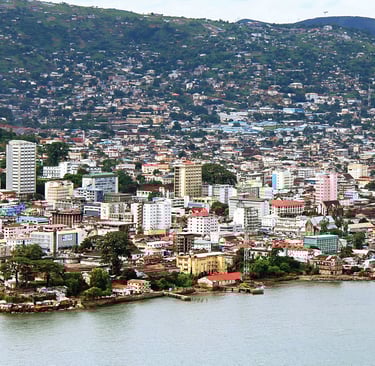
Capital: Freetown (1.4 million - sister city of New Haven, CT and Charleston, SC)
Spoken Languages: English (official), indigenous (Mende, Temne, Krio, etc..)
Religions: Muslim (69%), local ethnic (19%), Christian (11%),
Life Expectancy: 59.7 years Internet Access Rate: 20.6%
Per Capita Income: $3,516 Unemployment: 3.1%
What do they Export?: Diamonds, rutile, cocoa, coffee, fish
Export Partners: China (67%), India (6%), Belgium (5%), Netherlands (4%)
Import Partners: China (32%), India (15%), U.S. (5%), U.A.E. (5%), Turkey (5%)
Government Type: Presidential republic (after the civil war in the 1990s, elections have been contentious but generally peaceful)
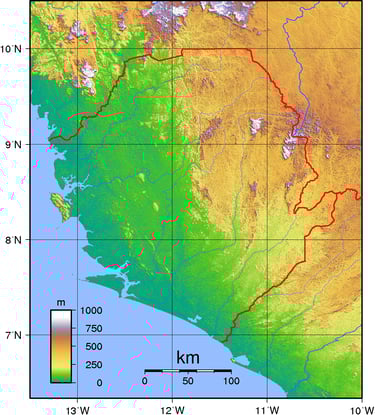
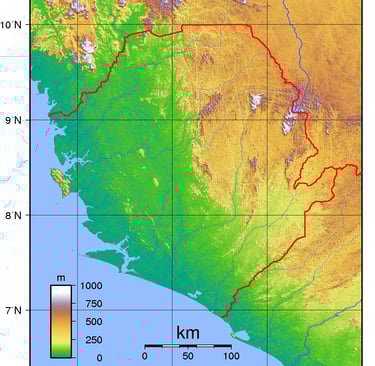
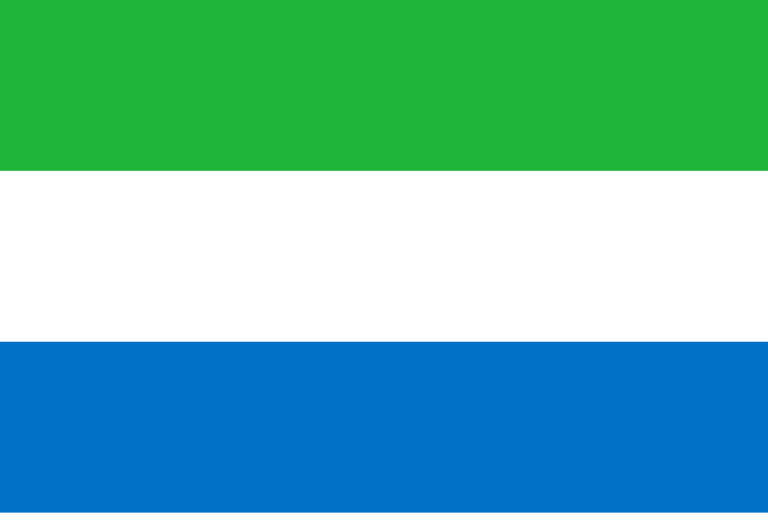
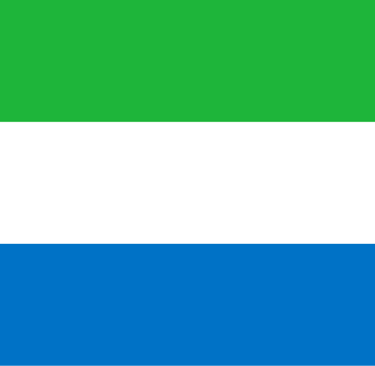
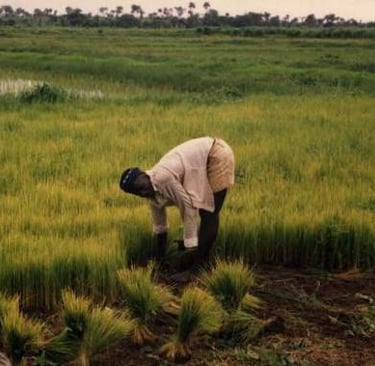
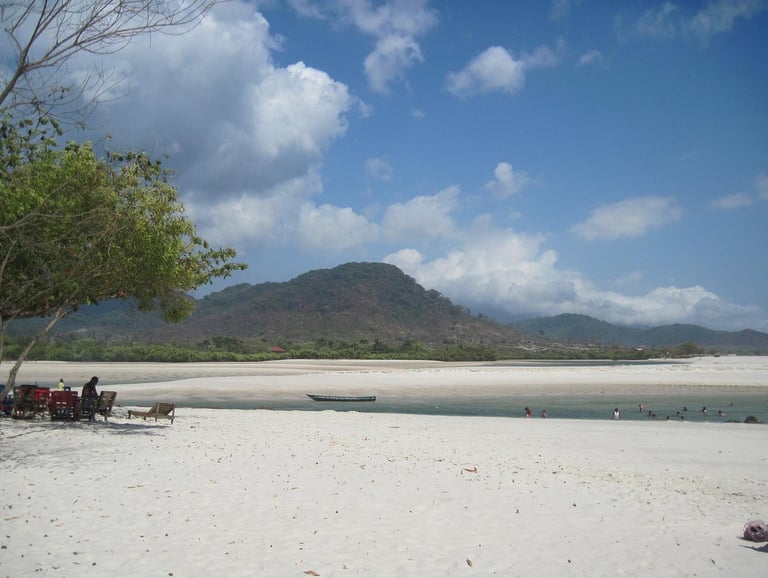
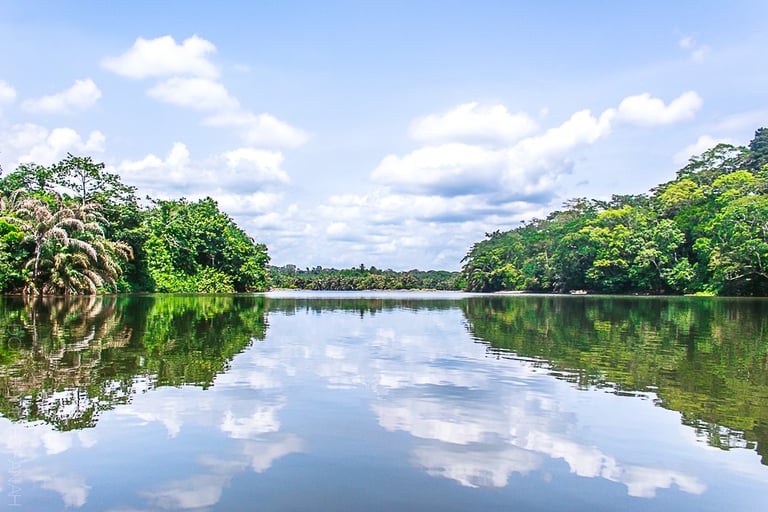
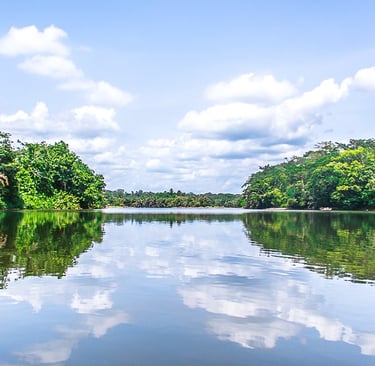
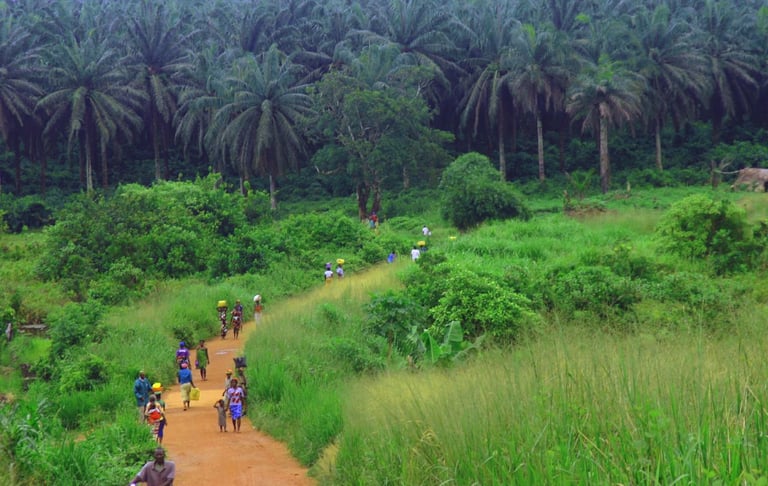
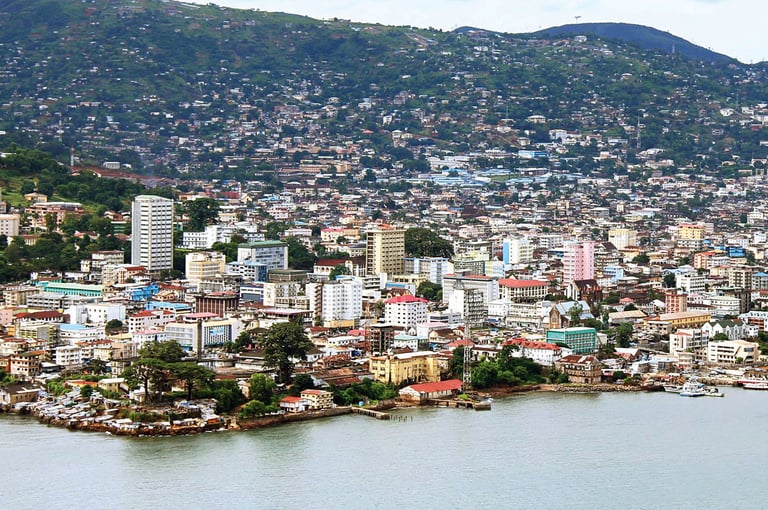
Section II - Images of Sierra Leone
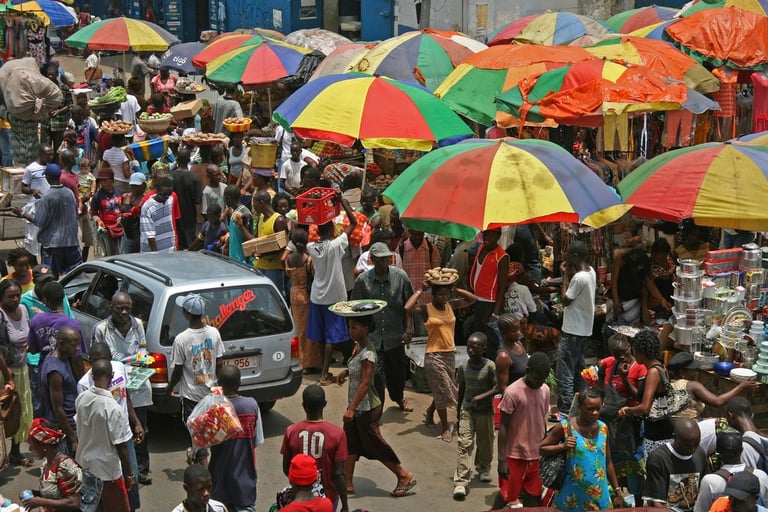
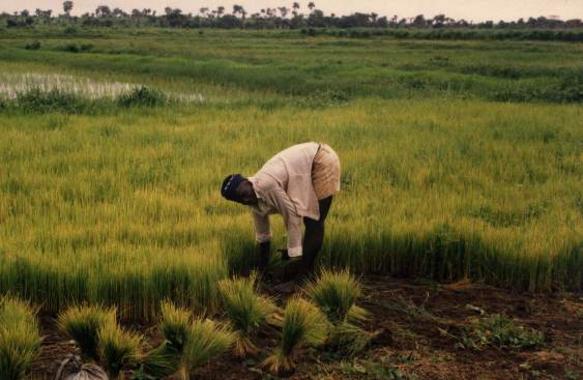
6 Key Dates/Periods in Sierra Leone's History
Like a lot of the African countries, this will try to balance events from before the colonial period, with events during and after independence. But a lot of the colonial period has (for better and worse) shaped the country of today.
c. 1462 - 1780 - The 15th century marked the beginning of European interaction with Sierra Leone, highlighted by Portuguese explorer Pedro de Sintra mapping the region in 1462 and naming it after the lioness mountains. Following Sintra, traders from European countries such as the Dutch Republic, England and France, started to establish trading stations. These stations quickly began to primarily deal in slaves, who were brought to the coast by indigenous traders from interior areas. The Europeans made payments, called Cole, for rent, tribute, and trading rights, to the king of an area. Local Afro-European merchants often acted as middlemen, the Europeans advancing them goods to trade to indigenous merchants, most often for slaves and ivory. Portuguese traders were particularly drawn to the local craftsmanship in ivory, leading to a notable trade in ivory artifacts.
1780 - 1810 - In the late 18th century, some African Americans who had fought for the British Crown during the American Revolutionary War were resettled in Sierra Leone, forming a community named Black Loyalists. In 1792 nearly 1,200 persons from Nova Scotia crossed the Atlantic to build the second (and only permanent) Colony of Sierra Leone and the settlement of Freetown. The initial process of society-building in Freetown was a harsh struggle. The Crown did not supply enough basic supplies and provisions and the settlers were continually threatened by illegal slave trading and the risk of re-enslavement. Later, following the Slave Trade Act 1807 which abolished the slave trade, Royal Navy crews delivered thousands of formerly enslaved Africans to Freetown after liberating them from illegal slave ships. Cut off from their various homelands and traditions, these new arrivals eventually modified their customs to adopt those of the earlier settlers and intermarried, yet kept some of their ethnic traditions.
1810 - 1898 - In the early 19th century, Freetown served as the residence of the British colonial governor of the region, who also administered the Gold Coast (now Ghana) and the Gambia settlements. Sierra Leone developed as the educational center of British West Africa. In Freetown, the British interacted mostly with the Krio people, who did most of the trading with the indigenous peoples of the interior. Educated Krio people held many positions in the colonial government, giving them status and good pay. However, in the 1880s and 1890s, the British began to expand their administration in the region, recruiting British citizens to posts and pushing Krio people out of governmental positions. In early 1898, Colonel Frederic Cardew, military governor of the Protectorate, imposed a new tax on dwellings and demanded that chiefs use their people to maintain roads. The taxes were often higher than the value of the dwellings, and the people could not afford to take time off from their subsistence agriculture. They resisted payment of taxes, and tension over the new colonial requirements and the administration's suspicion of the chiefs led to the Hut Tax War. The defeat of the natives ended mass resistance to colonial government, but intermittent rioting and labor unrest continued throughout the colonial period.
April 27, 1961 - On 27 April 1961, Sir Milton Margai led Sierra Leone to independence from Great Britain and became the country's first prime minister. The Dominion of Sierra Leone retained a parliamentary system of government and was a member of the Commonwealth of Nations. Margai's unexpected death in 1964, though, began a series of controversial elections and coup d'états over the subsequent two decades between the two main political parties. Eventually Siaka Stevens rose to power as a virtual dictator, transitioning Sierra Leone into a one-party state as a way of combatting the threat of military takeovers and political violence. On the positive side, he kept the country stable and from collapsing into civil war, and reduced ethnic polarization in government by incorporating members of various ethnic groups into his all-dominant APC government. Stevens finally retired from politics in Nov 1985.
1991 - 2002 - The Sierra Leonean Civil War began on 23 March 1991 when the Revolutionary United Front (RUF), with support from the special forces of Liberian dictator Charles Taylor, intervened in Sierra Leone in an attempt to overthrow the Joseph Momoh government. The resulting civil war lasted almost 11 years, and had over 70,000 casualties in total; an estimated 2.5 million people were displaced during the conflict, and widespread atrocities occurred. During the first year of the war, the RUF took control of large swathes of territory in eastern and southern Sierra Leone, which were rich in alluvial diamonds. By the end of 1993, the Sierra Leone Army (SLA) had succeeded in pushing the RUF rebels back to the Liberian border, but the RUF recovered and fighting continued. In May 1997, a group of disgruntled SLA officers staged a coup and established the Armed Forces Revolutionary Council (AFRC) as the new government of Sierra Leone.[18] The RUF joined with the AFRC to capture the capital city, Freetown, with little resistance. A wave of looting, rape, and murder followed. In January 1999, world leaders intervened diplomatically to promote negotiations between the RUF and the government. The Lome Peace Accord, signed on 27 March 1999, offered concessions to the commander of the RUF in return for a cessation of the fighting and the deployment of a UN peacekeeping force to monitor the disarmament process. RUF compliance with the disarmament process was inconsistent and sluggish, and by May 2000, the rebels were advancing again. Finally, the United Kingdom declared its intention to intervene, and with the help of a renewed UN mandate and Guinean air support, the British finally defeated the RUF, retaking control of Freetown. Elements of the British Army, together with administrators and politicians, remained after withdrawal to help train the armed forces, improve the country's infrastructure, and administer financial and material aid.
2002 - present - In 2004, a UN-backed war crimes court began holding trials of senior leaders from both sides of the war. In December 2005, UN peacekeeping forces pulled out of Sierra Leone. The elections in 2007 and 2012 marked a return to multi-party democracy, with Ernest Bai Koroma's election signaling a period of stability and recovery from the civil war. The Ebola epidemic in 2014 posed a significant health crisis, leading to a national state of emergency. In August 2022, Sierra Leone faced a series of violent protests. They were triggered by the nation's cost of living crisis, leading to the implementation of a nationwide curfew. The anti-government protests resulted in the deaths of 33 people, a figure comprising 27 civilians and 6 police officers.
Other Non-Political Issues
Section III - Issues of Sierra Leone
General Information on Sierra Leone:
"All About Sierra Leone", Africa.com, Jan 2026, https://africa.com/heres-what-you-need-to-know-about-sierra-leone/
“Economy: Sierra Leone", The World Bank, 2026, https://data360.worldbank.org/en/economy/SLE
"Sierra Leone - Explore Freedom" (national tourism site), National Tourist Board of Sierra Leone, 2026, https://tourismsierraleone.com/
“Sierra Leone", One World Nations Online, Jan 2025, https://www.nationsonline.org/oneworld/sierra_leone.htm
“Sierra Leone", Wikipedia, Mar 2026, https://en.wikipedia.org/wiki/Sierra_Leone or https://simple.wikipedia.org/wiki/Sierra_Leone
"Sierra Leone Travel Guide", National Geographic, https://www.nationalgeographic.com/travel/destination/sierra-leone
History Links on Sierra Leone:
"Gola-Tiwai Complex", UNESCO World Heritage Centre, https://whc.unesco.org/en/list/1746
"Historical Sites and Monuments", SierraLeoneHeritage.org, 2026, https://www.sierraleoneheritage.org/sites
"Killing Children: Reflections on Sierra Leone’s Civil War", The Politic (Yale U.), Feb 2019, https://thepolitic.org/killing-children-reflections-on-sierra-leones-civil-war/
"Sierra Leone Explained In 11 Minutes (History, Geography, And Culture)" (video), Opentiera, Apr 2024, https://www.youtube.com/watch?v=fU9X6ocMEgE
"Sierra Leone's Remarkable History: A Journey Through Key Events", Google Arts & Culture (with the Sierra Leone National Museum), 2026, https://artsandculture.google.com/story/sierra-leone-s-remarkable-history-a-journey-through-key-events-sierra-leone-national-museum/uQWhYnoz4SF34g?hl=en
Current Events Stories on Sierra Leone:
“Big oil hopes rise in Sierra Leone", Africa Briefing, Jun 2025, https://africabriefing.com/sierra-leone-oil-licensing-2025/
"Renewed violence in Sierra Leone is a sign of fragility, polarisation", Al-Jazeera, Dec 2023, https://www.aljazeera.com/opinions/2023/12/1/renewed-violence-in-sierra-leone-is-a-sign-of-fragility-polarisation
“Sierra Leone building on 20 years of peace" (video), The 77 Percent (from DK News - Germany), May 2022, https://www.youtube.com/watch?v=IKnF3ECwgAI
"Sierra Leone struggling to recover 20 years after civil war's end" (video), Al-Jazeera, Jan 2022, https://www.youtube.com/watch?v=4eLNFzWnvvY
"‘They take the money and go’: why not everyone is mourning the end of USAID", The Guardian (UK), Nov 2025, https://www.theguardian.com/us-news/2025/nov/04/they-take-the-money-and-go-why-not-everyone-is-mourning-the-end-of-usaid
Other Interesting Links Related To Sierra Leone:
"Inside Sierra Leone's chimpanzee sanctuary", Africa News, Aug 2024, https://www.africanews.com/2018/08/31/inside-sierra-leone-s-chimpanzee-sanctuary/
"Night diving for sea cucumbers: In search of delicacies and profits off West Africa's coast", Al-Jazeera, Jul 2025, https://www.aljazeera.com/features/longform/2025/7/22/the-night-divers-seeking-sea-cucumbers-and-profits-off-west-africas-coast
“Sierra Leone is finally stepping into the spotlight—here's why you should visit", National Geographic, May 2025, https://www.nationalgeographic.com/travel/article/why-you-should-visit-sierra-leone
“Sierra Leone: A Journey Through the Heart of West Africa", AfricanAncestry.com, Jan 2023, https://africanancestry.com/blogs/african-countries/sierra-leone-a-journey-through-the-heart-of-west-africa
“Sierra Leoneans Foods You Need To Try" (video), Travel & Taste, Aug 2024, https://www.youtube.com/watch?v=KS4_3l8iiMw
"Why You Should Visit Sierra Leone and What You Should Know", Hey Ciara (blog), 2025, https://heyciara.com/why-you-should-visit-sierra-leone-and-what-you-should-know/
Section IV - Resources About Sierra Leone
ECON and More
Curating articles for K-12 education.
CONTACT
© 2025. All rights reserved.