
Countries of the World (Asia) - Afghanistan
Sixth Asian country in my geography series. One small change you might notice I made (and went back to fix on earlier ones) was including "Internet Access Rate" rather than "Literacy Rate" for countries. I forgot I made that change the last 2-3 years in the classroom - felt like students could relate to it easier (and it helped them judge the development status of countries).
Section I - Basic Info on Afghanistan
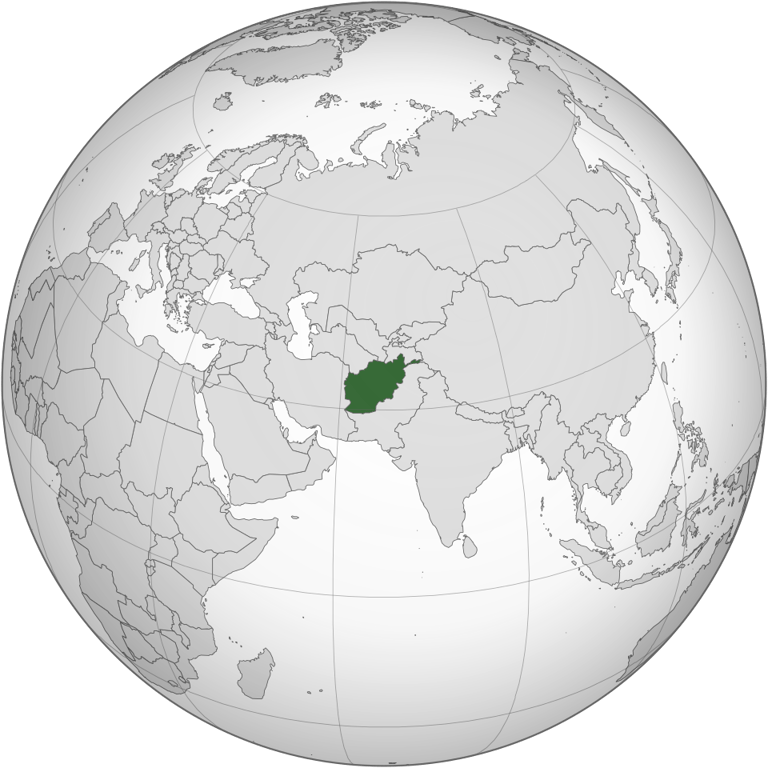
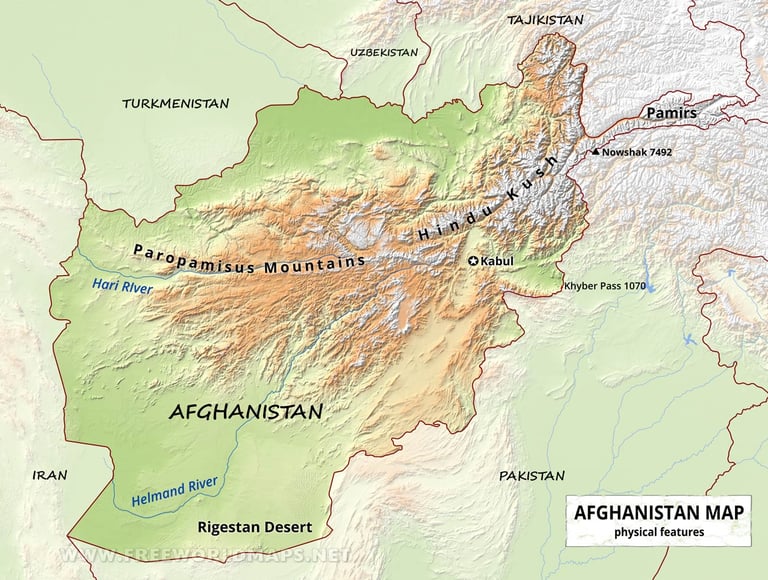
Official Name: Islamic Emirate of Afghanistan
Population: 49,474,805 (32nd largest in the world, 16th largest in Asia)
Area/Size: 251,827 square miles (a little smaller than California/Oregon combined)
Capital: Kabul (4.9 million - sister city of Ankara, Turkey and Tehran, Iran)
Spoken Languages: Afghan Persian or Dari (official), Pashto, Uzbeki, English
Religions: Sunni Islam (88%), Shiite Islam (12%)
Life Expectancy: 67.5 years Internet Access Rate: 17.7%
Per Capita Income: $2,200 Unemployment: 13.3%
What do they Export?: Cotton, grapes, tropical fruits, nuts, insect resins, onions
Export Partners: Pakistan (42%), India (40%), China (4%), UAE (2%), Turkey (2%)
Import Partners: UAE (28%), Pakistan (15%), China (15%), Uzbekistan (12%)
Government Type: Theocratic (Taliban does not have public elections)
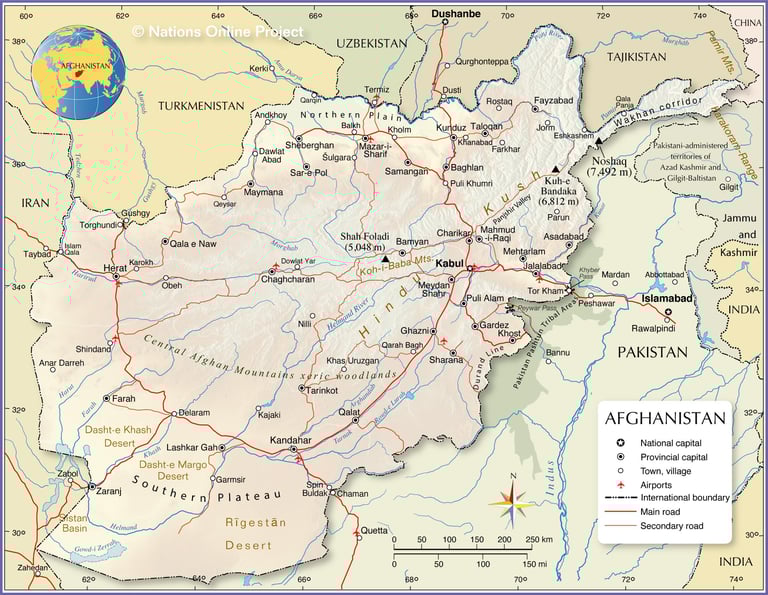
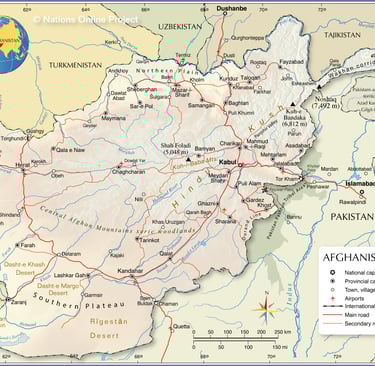
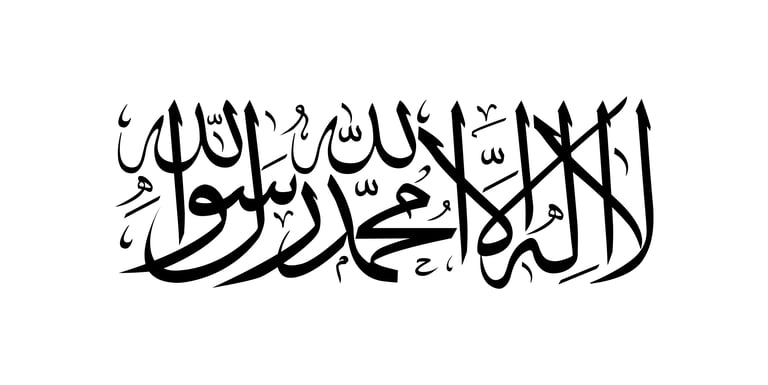
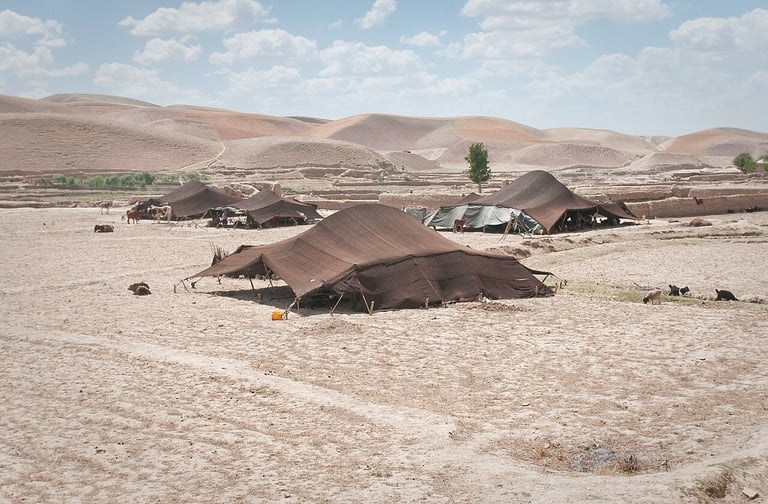
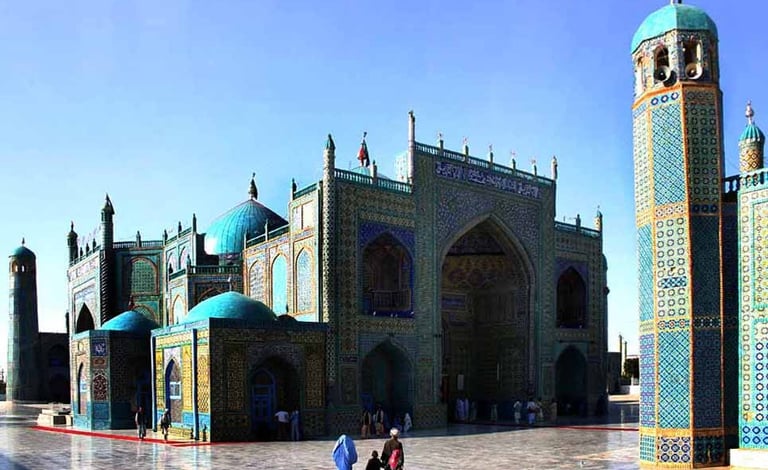
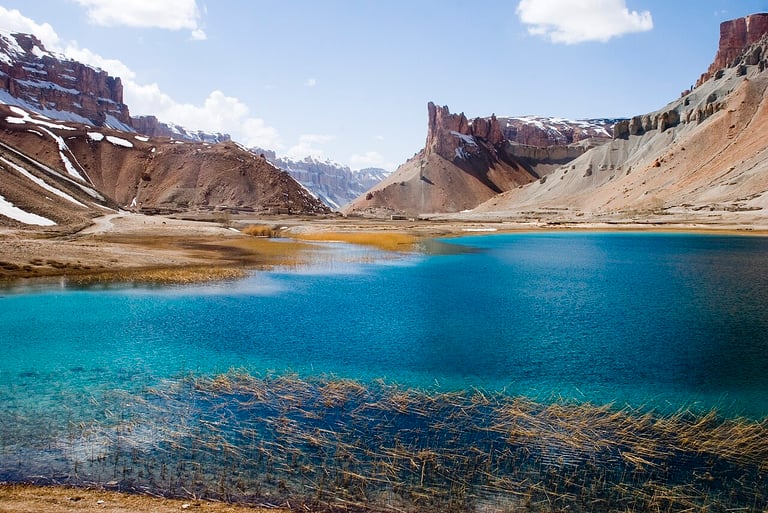
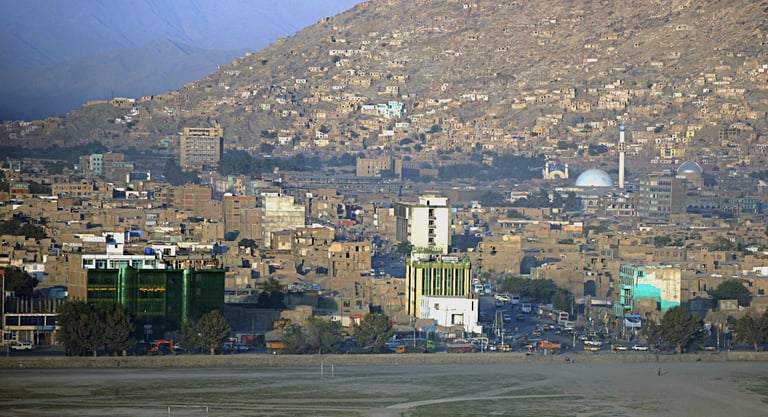
Section II - Images of Afghanistan
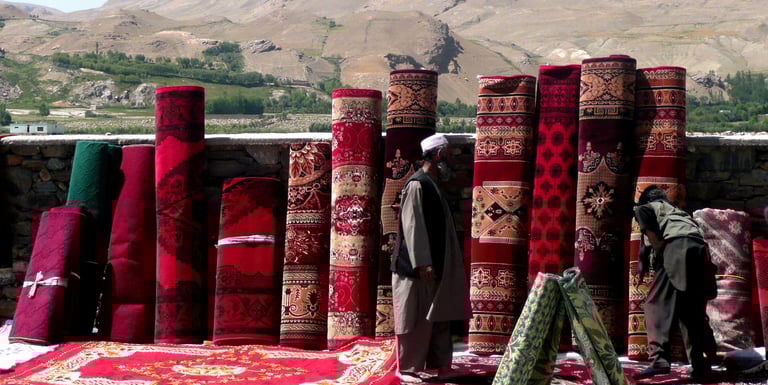
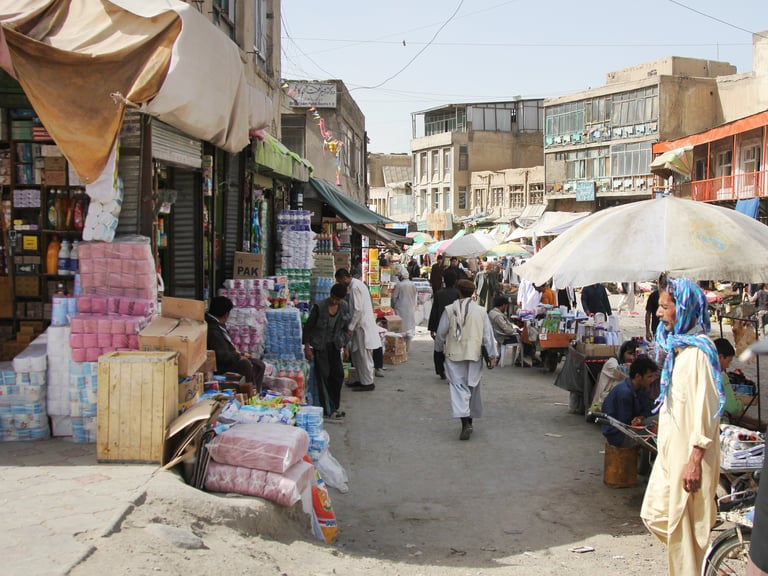
7 Key Dates/Periods in Afghanistan's History
I'm going to do a fairly quick overview of ancient and early Yemeni history, so I can focus on events of the past 50-75 years and the series of civil wars that have defined current events there.
c. 3000 BC - 185 BC - Artifacts typical of the Paleolithic, Mesolithic, Neolithic, Bronze, and Iron Ages have been found in Afghanistan. An Indus Valley civilization site has been found on the Oxus River at Shortugai in northern Afghanistan. After 2000 BCE successive waves of semi-nomadic people from Central Asia began moving south into Afghanistan; among them were many Indo-European-speaking Indo-Iranians. These tribes later migrated further into South Asia, Western Asia, and toward Europe via the area north of the Caspian Sea. An inscription on the tombstone of Darius I of Persia mentions the Kabul Valley in a list of the 29 countries that he had conquered. Alexander the Great and his Macedonian forces arrived in Afghanistan in 330 BCE after defeating Darius III of Persia a year earlier in the Battle of Gaugamela. Following Alexander's brief occupation, the successor state of the Seleucid Empire controlled the region until 305 BCE, when they gave much of it to the Maurya Empire as part of an alliance treaty. The Mauryans controlled the area south of the Hindu Kush until they were overthrown in about 185 BCE.
1 - 1200 AD - The Silk Road appeared during the first century BCE, and Afghanistan flourished with trade, with routes to China, India, Persia, and north to the cities of Bukhara, Samarkand, and Khiva in present-day Uzbekistan. Goods and ideas were exchanged at this center point, such as Chinese silk, Persian silver and Roman gold, while the region of present Afghanistan was mining and trading lapis lazuli stones mainly from the Badakhshan region. In the mid-to-late first century CE the vast Kushan Empire, centered in Afghanistan, became great patrons of Buddhist culture, making Buddhism flourish throughout the region. The Kushans were overthrown by the Sassanids in the 3rd century CE, though the Indo-Sassanids continued to rule at least parts of the region. Much of the northeastern and southern areas of the country remained dominated by Buddhist culture. Arab Muslims brought Islam to Herat and Zaranj in 642 CE and began spreading eastward; some of the native inhabitants they encountered accepted it while others revolted. Later, the Samanids extended their Islamic influence south of the Hindu Kush. The Ghaznavids rose to power in the 10th century. By the 11th century, Mahmud of Ghazni had defeated the remaining Hindu rulers and effectively Islamized the wider region, with the exception of Kafiristan.
1219 - 1830 - In 1219 CE, Genghis Khan and his Mongol army overran the region. The destruction caused by the Mongols forced many locals to return to an agrarian rural society. Mongol rule continued with the Ilkhanate in the northwest while the Khalji dynasty administered the Afghan tribal areas south of the Hindu Kush until the invasion of Timur (aka Tamerlane), who established the Timurid Empire in 1370. Under the rule of Shah Rukh, the city of Herat[84] served as the focal point of the Timurid Renaissance, whose glory matched Florence of the Italian Renaissance as the center of a cultural rebirth. Between the 16th and 18th century, the Uzbek Khanate of Bukhara, Iranian Safavids, and Indian Mughals ruled parts of the territory. In 1709, Mirwais Hotak, a local Ghilzai tribal leader, successfully rebelled against the Safavids and established an Afghan empire that briefly ruled parts of Iran and Afghanistan through the 1720s before succumbing to infighting and family intrigues. It is still remembered by Afghans, though, as a moment of power for Afghanistan between larger empires. By the early 19th century, what was left of the Afghan empire was under threat from the Persians in the west and the Sikh Empire in the east, and ultimately fractured into many states.
1830 - 1920 - In 1836, Afghan leaders fearing an invasion from the east contacted Lord Auckland, the new British governor-general in British India, for help in dealing with the Sikhs. This marked the beginning of British influence in Afghanistan, and the subsequent Anglo-Russian struggle known as the Great Game. In the early decades of the 19th century, it became clear to the British that the major threat to their interests in India would not come from the fragmented Afghan empire, the Iranians, or the French, but from the Russians, who had already begun a steady advance southward from the Caucasus winning decisive wars against the Ottomans and Persians. The fracturing of the Afghan empire left a vacuum in the Hindu Kush area that concerned the British, who were well aware of the many times in history it had been employed as an invasion route to South Asia. This led to repeated attempts (the Anglo-Afghan Wars) by the British to establish a puppet government in Kabul as a buffer. In 1842, a British invasion force of 4,500 was nearly wiped out retreating through the mountain passes in the Battle of Ghazni. After tension between Russia and Britain in Europe ended with the June 1878 Congress of Berlin, the British sent a force of 40,000 into Afghanistan at three different points to occupy the country and install Abdur Rahman as emir for the next 20 years. During his rule Afghanistan modernized and in many ways became the modern nation of Afghanistan. After his death, the area remained relatively peaceful until the final days of World War I, when new Afghan leaders attempted to use Britain's distractions to gain full independence. The final "war" demonstrated some of the issues of modern warfare, as Western technology combatted local manpower and knowledge of the territory. Ultimately the British dictated most of the terms of the Anglo-Afghan Treaty of 1919, but agreed to stay out of Afghan affairs going forward.
1920 - 1978 - Following the end of the Third Anglo-Afghan War, Emir Amanullah Khan proclaimed himself King of Afghanistan in Jun 1926, forming the Kingdom of Afghanistan. He also moved to end his country's traditional isolation by establishing diplomatic relations with the international community, particularly with the Soviet Union and the Weimar Republic. Some of the reforms, such as the abolition of the traditional burqa for women and the opening of co-educational schools, alienated many tribal and religious leaders, leading to the Afghan Civil War. After a chaotic period, Mohammed Zahir Shah succeeded to the throne and reigned as king from 1933 to 1973. Zahir Shah had a policy of maintaining national independence while pursuing gradual modernization, creating nationalist feeling, and improving relations with the United Kingdom. Afghanistan was neither a participant in World War II nor aligned with either power bloc in the Cold War. However, it was a beneficiary of the latter rivalry as both the Soviet Union and the United States vied for influence by building Afghanistan's main highways, airports, and other vital infrastructure. In 1973, while the King was in Italy, Daoud Khan launched a bloodless coup and became the first president of Afghanistan, abolishing the monarchy. Five years later in Apr 1978, the communist People's Democratic Party of Afghanistan (PDPA) seized power in a bloody coup d'état against then-President Mohammed Daoud Khan, triggering a series of events that would dramatically turn Afghanistan from a peaceful (albeit poor and secluded) country to a hotbed of conflict and terrorism.
1978 - 2001 - The new communist leaders initiated various social, symbolic, and land distribution reforms that provoked strong opposition, while also brutally oppressing political dissidents. This caused unrest and quickly expanded into a state of civil war by 1979, waged by guerrilla mujahideen (and smaller Maoist guerrillas) against regime forces countrywide. Displeased with how the situation was deteriorating, the Soviet Army invaded the country in Dec 1979, heading for Kabul and killing the PDPA leader. Soviet troops in more substantial numbers were deployed to stabilize Afghanistan, marking the beginning of the Soviet–Afghan War. Lasting nine years, the war caused the deaths of between 600,000 and 2 million Afghans, and had drastic social effects on Afghanistan. The militarization of society led to heavily armed police, private bodyguards, openly armed civil defense groups, and the like becoming the norm in Afghanistan for decades thereafter. The traditional power structure shifted from the clergy, community elders, intelligentsia, and military in favor of powerful warlords. After the Soviet withdrawal of troops in 1988, another civil war ensued until the communist regime collapsed in 1992. The Taliban then emerged in Sep 1994 as a movement and militia of students from Islamic madrassas (schools) in Pakistan. Taking control of Kandahar that year, they conquered more territory until finally driving out the government from Kabul in 1996. The Taliban were condemned internationally for the harsh enforcement of Islamic sharia law, which resulted in the brutal treatment of many Afghans, especially women. During their rule, the Taliban and their allies committed massacres against Afghan civilians, denied UN food supplies to starving civilians, and conducted a policy of scorched earth, burning vast areas of fertile land and destroying tens of thousands of homes. They also allowed groups like Osama bin-Laden's al-Qaeda to train and operate within their borders.
2001 - present - In Oct 2001, the United States invaded Afghanistan to remove the Taliban from power after they refused to hand over Osama bin Laden, the prime suspect of the Sep 11 attacks. During the initial invasion, US and UK forces bombed al-Qaeda training camps, and by Dec 2001, in cooperation with the Northern Alliance, the Taliban government was overthrown. Attempts were made, often with the support of foreign donor countries, to improve the country's economy, healthcare, education, transport, and agriculture. The International Security Assistance Force (ISAF) was established by the United Nations Security Council to support an interim government under Hamid Karzai and begin to train the Afghan National Security Forces. However, the Taliban began an insurgency to retake control and destabilize the situation. In late 2014 elections established a democratic government and the ISAF transferred full security responsibility to the Afghan government, while thousands of NATO troops remained in the country to train and advise Afghan government forces and continue their fight against the Taliban. Early in 2021 NATO troops began to withdraw from Afghanistan. Soon afterward the Taliban launched an offensive against the Afghan government and quickly captured Kabul in mid-Aug 2021. Driven by persistent drought, economic collapse, and massive refugee returns, the 2025–2026 hunger crisis in Afghanistan is one of the world's most severe, with over 17 million people—one-third of the population—requiring urgent food assistance.
Other Non-Political Issues
Section III - Issues of Afghanistan
General Information on Afghanistan:
“Afghanistan", One World Nations Online, Jan 2025, https://www.nationsonline.org/oneworld/afghanistan.htm
“Afghanistan", Wikipedia, Apr 2026, https://en.wikipedia.org/wiki/Afghanistan or https://simple.wikipedia.org/wiki/Afghanistan
“Afghanistan Explained in 14 Minutes | History, Geography, Culture” (video), Opentiera, Sep 2025, https://www.youtube.com/watch?v=_L41t_9oXcw
"Afghanistan", National Geographic for Kids, May 2021, https://kids.nationalgeographic.com/geography/countries/article/afghanistan
"Let's Go Afghanistan!" (unofficial, but Afghan-owned), Let's Go Afghanistan, https://letsgoafghanistan.com/
“Afghanistan - Economy", World Bank Group, Jan 2026, https://data360.worldbank.org/en/economy/AFG
History Links on Afghanistan:
“Repercussions of the Taliban’s Return to Rule Afghanistan", Doha Institute of the Arab Center for Research and Policy Studies, Aug 2021, https://www.dohainstitute.org/en/PoliticalStudies/Pages/Background-and-Repercussions-of-the-Taliban-Return-to-Rule-Afghanistan.aspx
“The U.S. War in Afghanistan: How It Started, and How It Ended", New York Times, Oct 2021, https://www.nytimes.com/article/afghanistan-war-us.html
“Cultural Landscape and Archaeological Remains of the Bamiyan Valley", UNESCO World Heritage Convention, https://whc.unesco.org/en/list/208
“Timeline - The U.S. War in Afghanistan", Council of Foreign Relations, Sep 2022, https://www.cfr.org/articles/us-war-afghanistan
"Why the Soviet Union Invaded Afghanistan", The History Channel, updated May 2025, https://www.history.com/articles/1979-soviet-invasion-afghanistan
Current Events Stories on Afghanistan:
"The Afghanistan–Pakistan War Poses Awkward Questions for Russia", Carnegie Endowment for International Peace, Apr 2026, https://carnegieendowment.org/russia-eurasia/politika/2026/03/afghanistan-pakistan-conflict-russia
"Afghanistan Refugee Crisis Explained", USA for UNHCR (the UN Refugee Agency), Sep 2025, https://www.unrefugees.org/news/afghanistan-refugee-crisis-explained/
“Even the dead must make way as construction transforms Afghanistan’s capital”, Associated Press (AP) News, Apr 2026, https://apnews.com/article/afghanistan-kabul-construction-roads-compensation-taliban-bbd33306fa5239f1968ce68027c43d54
“Instability in Afghanistan", Global Conflict Tracker from the Council of Foreign Relations, Apr 2026, https://www.cfr.org/global-conflict-tracker/conflict/war-afghanistan
"More thorough Pentagon review of Afghanistan pullout to be issued soon", Stars and Stripes, Apr 2026, https://www.stripes.com/theaters/middle_east/2026-04-17/afghanistan-evacuation-pentagon-report-21404618.html
Other Interesting Links Related To Afghanistan:
"Afghan refugees in Garden City speak about their homeland’s culture at community breakfast", Kansas Reflector, Dec 2023, https://kansasreflector.com/2023/12/16/afghans-refugees-in-garden-city-speak-about-their-homelands-culture-at-community-breakfast/ A similar story from Garden City, KS in video form - "Strangers in Town", https://vimeo.com/319253490?fl=pl&fe=vl
"Afghan villagers turn to gold-panning to sustain livelihood", Al-Jazeera, Apr 2026, https://www.aljazeera.com/gallery/2026/4/16/afghan-villagers-turn-to-gold-panning-to-sustain-livelihoods
“Between Taliban Bans and Vanishing Aid, the Last Lifeline for Afghan Girls’ Education Is Breaking", JuristNews, Apr 2026, https://www.jurist.org/commentary/2026/04/between-taliban-bans-and-vanishing-aid-the-last-lifeline-for-afghan-girls-education-is-breaking/
“A Guide to Afghan Food, Background and Culture", Jess Eats and Travels, May 2019, https://jesseatsandtravels.com/how-to-eat-like-an-afghan/
“Thousands in Kabul attend Afghanistan’s national buzkashi championship: Taliban authorities attend traditional sport characterized by limited formal rules and fierce physical competition”, Al-Jazeera, Dec 2025, https://www.aljazeera.com/gallery/2025/12/28/thousands-in-kabul-attend-afghanistans-national-buzkashi-championship
Section IV - Resources About Afghanistan
ECON and More
Curating articles for K-12 education.
CONTACT
© 2025. All rights reserved.