
Countries of the World (Asia) - Armenia
I'm pushing this post forward in the queue (since I just did an Asian country at the start of the week) because I forgot about Armenian Holocaust Remembrance Day being today (April 24th). I will repost the European segment on Germany early next week, and get back on schedule after that, but thought there might be teachers who would want links to both the historical events AND the issues the modern country of Armenia faces . . .
Section I - Basic Info on Armenia
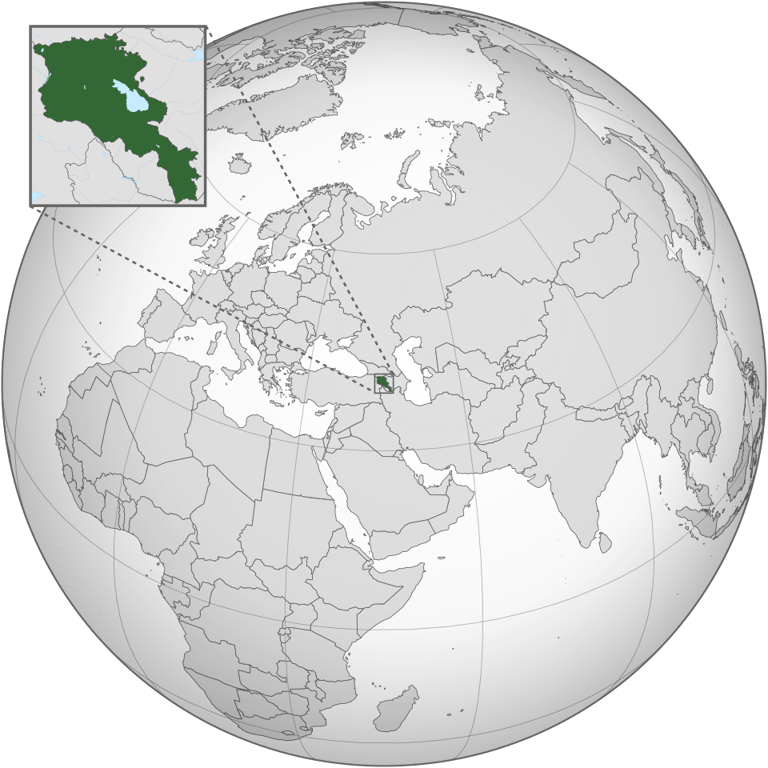
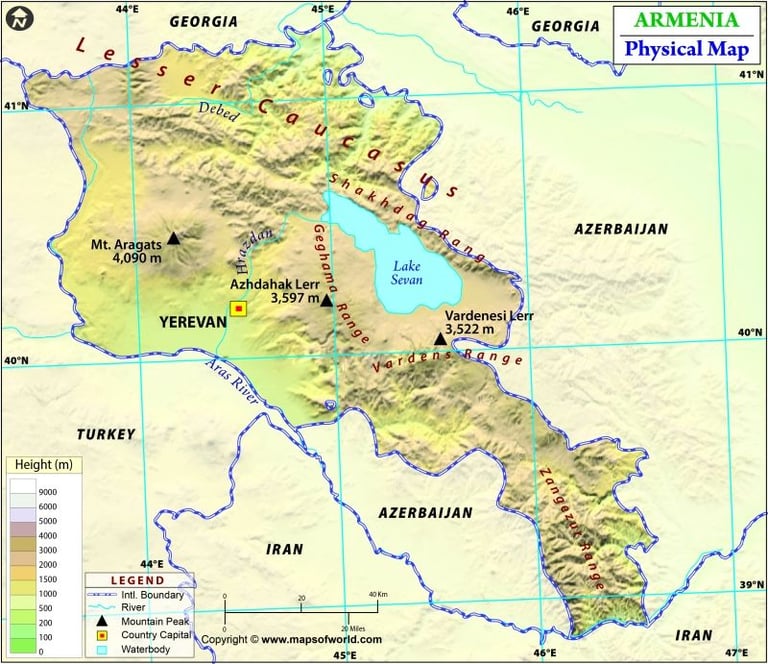
Official Name: Republic of Armenia
Population: 2,963,837 (135th largest in the world, 45th largest in Asia)
Area/Size: 11,484 square miles (a little smaller than Maryland)
Capital: Yerevan (1.1 million - sister city of Venice, Italy and Cambridge, MA)
Spoken Languages: Armenian (official), Russian, other
Religions: Armenian Orthodox (78%), other Christian (17%), agnostic (3%)
Life Expectancy: 77.0 years Internet Access Rate: 80.0%
Per Capita Income: $22,823 Unemployment: 13.3%
What do they Export?: Gold, jewelry, telephones, copper ore, silver
Export Partners: Russia (37%), UAE (25%), Hong Kong (7%), China (5%), Georgia (4%)
Import Partners: Russia (29%), China (12%), Vietnam (6%), Georgia (5%), Iran (4%)
Government Type: Parliamentary democracy (Last election 2021 - some disputed election results)
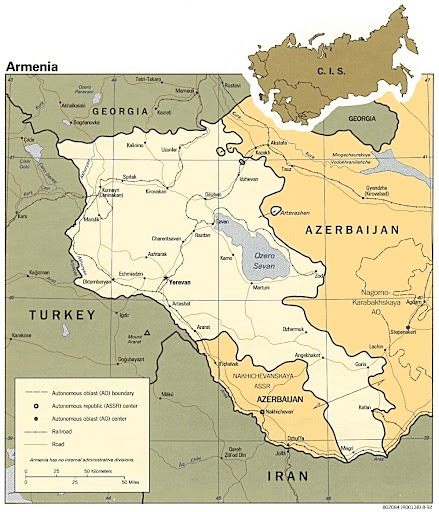
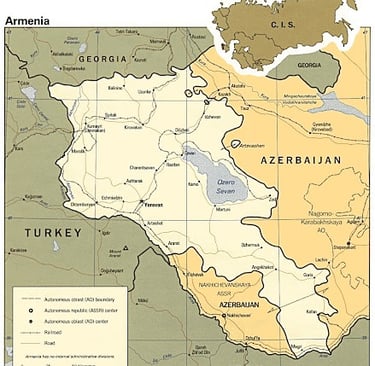
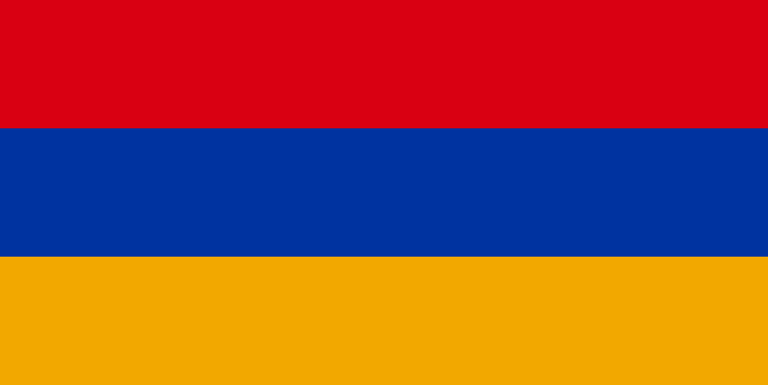
Section II - Images of Armenia
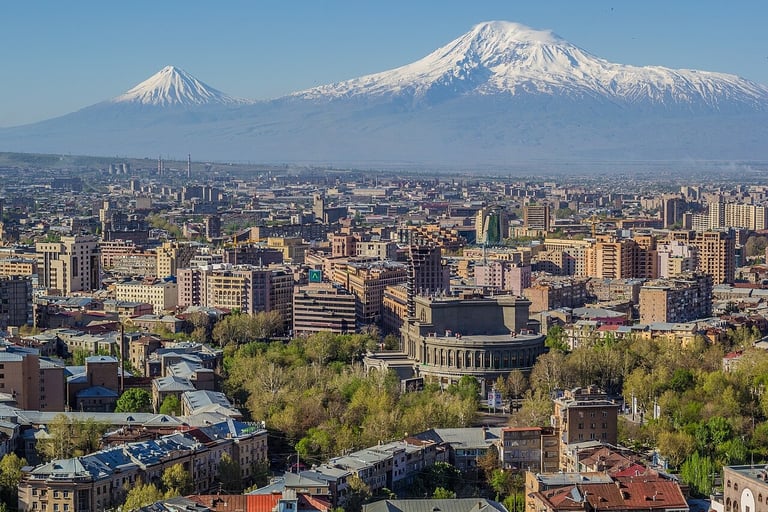
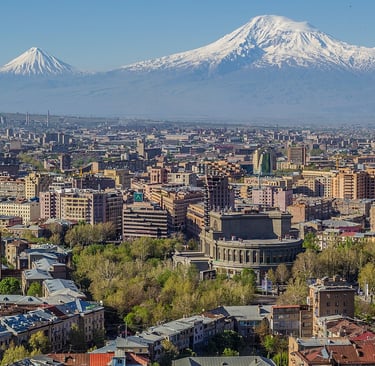
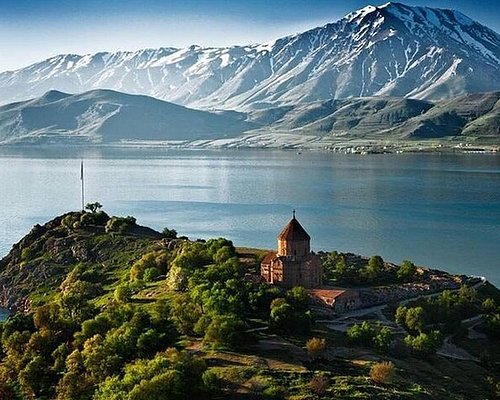
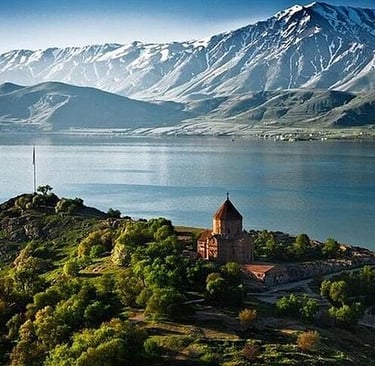
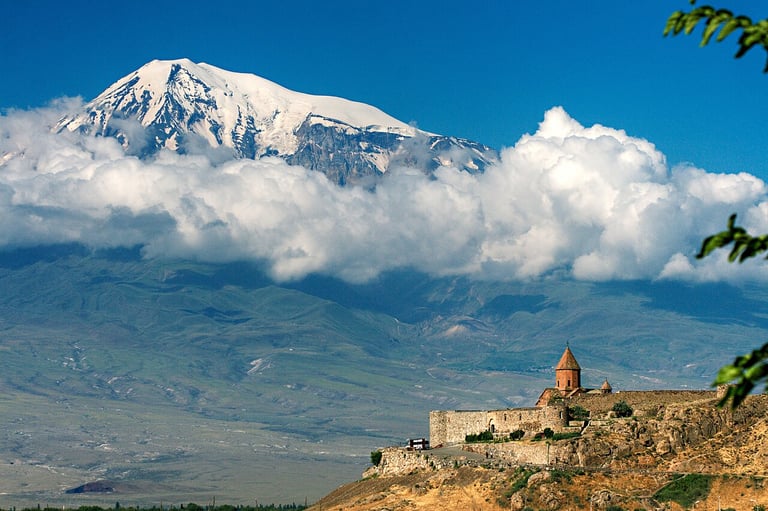
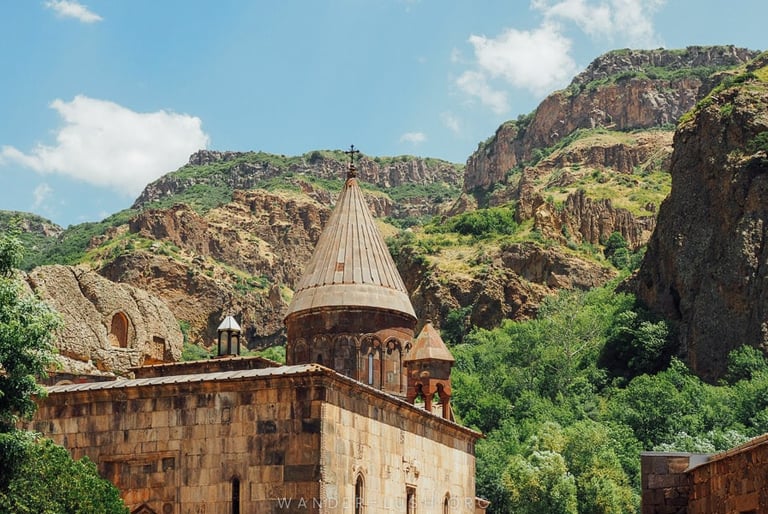
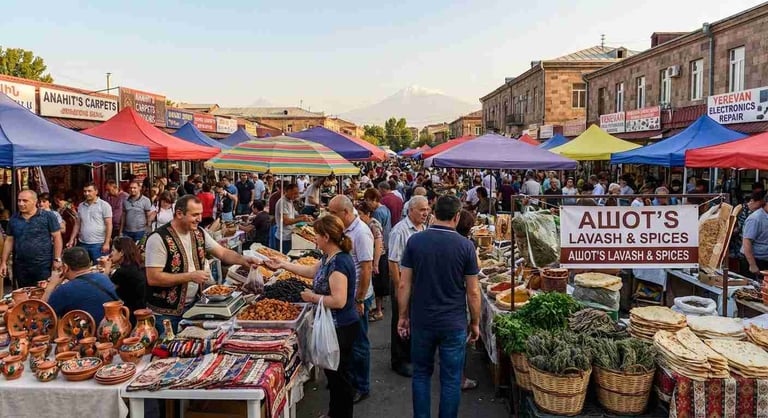
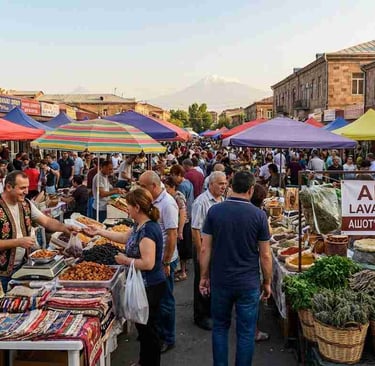
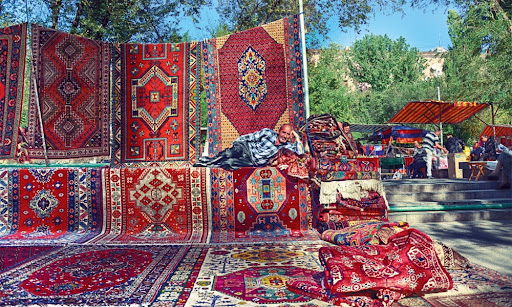
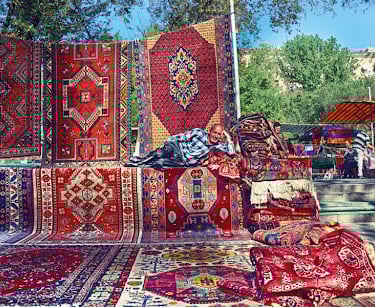
7 Key Dates/Periods in Armenian History
I'm going to do a fairly quick overview of ancient and early Armenian history, so I can focus on events of the past 120 years and the series of wars that have defined current events there.
c. 4000 BC - 1 AD - Armenia lies in the highlands surrounding the mountains of Ararat. There is evidence of an early civilization in Armenia in the Bronze Age and earlier, dating to about 4000 BC. Several Bronze Age cultures and states flourished in the area of Greater Armenia - a large cuneiform lapidary inscription found in Yerevan established that the modern capital of Armenia was founded in the summer of 782 BC by King Argishti I. The kingdom became fully sovereign around 200 BC under King Artaxias I and reached its height between 95 and 66 BC under Tigranes the Great, becoming the most powerful kingdom of its time east of the Roman Republic. Throughout its history, the kingdom of Armenia enjoyed both periods of independence and periods of autonomy subject to contemporary empires, since its strategic location between two continents has subjected it to invasions by many peoples.
1 - 1450 AD - Christianity first appeared in Armenia in the 1st century AD, with the arrival of two of Jesus's twelve apostles – Thaddaeus and Bartholomew. Gregory the Illuminator, the founder and first official head of the Armenian Apostolic Church, helped make Armenia the first state to adopt Christianity as its official religion in 301 AD. Another major cornerstone of Armenian identity – the Armenian alphabet – was invented a century later by Mesrop Mashtots around 405 AD. Most of the region was conquered by the Rashidun Caliphate in the mid 7th century, and Armenia subsequently emerged as Arminiya, an autonomous principality under the Umayyad Caliphate. Arminiya lasted until 884, when it regained its independence from the weakened Abbasid Caliphate. The reemergent Armenian kingdom was ruled by the Bagratuni dynasty and lasted until 1045, when a series of empires - Byzantine, Seljuk, Mongol, and Timurid - invaded and brought destruction to the country until the 15th century.
1450 - 1900 - In the 16th century, the Ottoman Empire and the Safavid dynasty of Iran divided Armenia. Significant parts of the region were frequently fought over between the two rivalling empires during the Ottoman–Persian Wars. From 1604, Abbas I of Iran implemented a "scorched earth" policy in the region to protect his north-western frontier against any invading Ottoman forces, a policy that involved a forced resettlement of masses of Armenians outside of their homelands. The 18th century saw the first foray of the Russian Empire into the region, with Peter the Great and his alliance with the Armenian meliks during the Russo-Persian War (1722–1723). However, it was not until the early 19th century that Eastern Armenia formally passed to Russian control, following the Russo-Persian War (1804–1813) and the Russo-Persian War (1826–1828). Most of Western Armenia remained under Ottoman rule. Within the Ottoman millet system, Armenians lived in relative harmony with other groups, including the ruling Turks. However, as Christians under a strict Muslim social structure, Armenians faced pervasive discrimination. In response to the 1894 Sasun rebellion, Sultan Abdul Hamid II organized state-sponsored massacres against the Armenians between 1894 and 1896, resulting in close to 200,000 deaths.
1900 - 1917 - As the 20th century began the Ottoman Empire began to collapse, and in 1908, the Young Turk Revolution overthrew the government of Sultan Hamid. The Armenians living in the empire hoped that the Committee of Union and Progress would change their second-class status. However, the outbreak of World War I led to confrontation between the Ottoman Empire and the Russian Empire in the Caucasus and Persian campaigns. The new government in Istanbul began to look on the Armenians with distrust and suspicion because the Imperial Russian Army contained a contingent of Armenian volunteers. On Apr 24, 1915 (remembered today as Armenian Holocaust Day) Armenian intellectuals were arrested by Ottoman authorities and the genocide began. The genocide was implemented in two phases: the wholesale killing of the able-bodied male population through massacre and forced labor camps, followed by the deportation of women, children, the elderly and infirm on death marches leading to the Syrian desert. The total number of people killed has most widely been estimated at between 1 and 1.5 million from 1915 to 1917, though Turkish authorities deny the genocide took place to this day.
1917 - 1988 - Russian forces had taken control of the Caucusus region by 1917, only to retreat back into Russia at the start of the Bolshevik Revolution. At the time, Russian-controlled Eastern Armenia, Georgia, and Azerbaijan attempted to bond together in the Transcaucasian Democratic Federative Republic. This federation, however, lasted from only February to May 1918. Eastern Armenia then declared its independence on 28 May as the First Republic of Armenia, but was inundated by ethnic unrest, Bolshevik rebellions, and a mass influx of refugees from Western Armenia. At the end of the war, the victorious powers sought to divide up the Ottoman Empire and promised to maintain the existence of the Armenian republic and to attach the former territories of Western Armenia to it. There was even consideration of making Armenia a mandate under the protection of the United States. The treaty, however, was rejected by the Turkish National Movement and in 1920 Turkish forces invaded the fledgling Armenian republic from the east, followed soon by a Red Army invasion in 1921. In 1923, the Soviets cede the provinces of Kars, Ardahan, and Surmalu (all under Turkish military control) and absorb the remainder of Georgia, Azerbaijan, and Armenia into the USSR. Under Lenin, Armenia enjoyed a period of stability and cultural revival within the USSR. However, after the death of Lenin and the rise of Joseph Stalin to the Soviet leadership, the situation changed significantly. Armenians suffered greatly during Stalin's Great Purge, with Beria leading purges against intellectual and religious leaders. After the death of Stalin in 1953, Armenia experienced a new period of liberalization most of the 1950s - 1980s, with greater investment in housing and the consumer economy.
1988 - 1991 - Mikhail Gorbachev's reforms of glasnost and perestroika witnessed a major national revival in Armenia with the rise of the Karabakh movement. Taking advantage of the new political climate, the Armenians of Nagorno-Karabakh (in Soviet Azerbaijan) began to demand unification with Soviet Armenia. Peaceful protests in Armenia supporting the Karabakh Armenians became common. However, in neighboring Azerbaijan ethnic rioting soon broke out between Armenians and Azeris, preventing any peaceful resolution from taking place. Compounding Armenia's problems was a devastating magnitude 6.8 earthquake in 1988. In Mar 1991, Armenia (along with the Baltic states, Georgia and Moldova) boycotted a nationwide referendum in which 78% of all voters voted for the retention of the Soviet Union in a reformed form. Six months later on Sep 21, 1991, Armenia officially declared its statehood after the failed August coup in Moscow, and Armenia's independence was recognized by December.
1991 - present - The initial post-Soviet years were marred by economic difficulties and a severe energy crisis. The Armenian majority in Nagorno-Karabakh voted to secede from Azerbaijan and in the process proclaimed independence (which no one recognized). Full-scale fighting erupted in early 1992. Turkey sent mercenaries to fight for Azerbaijan and assisted in blockading all land transit to Armenia, including humanitarian aid. In early 1993, Armenian forces captured seven Azerbaijani-majority districts outside the enclave itself, threatening the involvement of other countries in the region. By the time a Russian-brokered ceasefire was signed in May 1994, the Armenians were in full military control of the enclave, in addition to the Lachin corridor – a mountain pass that links Nagorno-Karabakh with mainland Armenia. In the 21st century, Armenia continued to face many hardships. The 2018 Armenian Revolution was a series of anti-government protests led by a member of the Armenian parliament — Nikol Pashinyan (who is now the prime minister). In Sep 2020, a full-scale war erupted for 6 weeks due to the unresolved Nagorno-Karabakh conflict - the ceasefire agreement was seen by many as an Armenian defeat which led to more turnover in the government. On Sep 19-20 of 2023, Azerbaijan launched a large-scale military offensive against the self-declared breakaway state of Artsakh, a move seen by the European Parliament as a violation of the 2020 ceasefire agreement. Finally on Aug 8, 2025, the leaders of Armenia and Azerbaijan signed a joint declaration at the White House, committing to a peace deal facilitated by the Trump administration that would end nearly four decades of conflict between the two countries.
Other Non-Political Issues
Section III - Issues of Armenia
General Information on Armenia:
“Armenia", One World Nations Online, Jan 2025, https://www.nationsonline.org/oneworld/armenia.htm
"Armenia", Wikipedia, Apr 2026, https://en.wikipedia.org/wiki/Armenia or https://simple.wikipedia.org/wiki/Armenia
"Armenia Travel Guide", National Geographic Magazine, May 2024, https://www.nationalgeographic.com/travel/destination/armenia
"Armenia Travel" (official tourism site), Tourism Committee - Ministry of Economy of the Republic of Armenia, https://armenia.travel/
“Armenia - Economy", World Bank Group, Jan 2026, https://data360.worldbank.org/en/economy/ARM
History Links on Armenia:
“The Armenian Genocide (1915-16): Overview", Holocaust Encyclopedia of the United States Holocaust Memorial Museum, updated Nov 2024, https://encyclopedia.ushmm.org/content/en/article/the-armenian-genocide-1915-16-overview NOTE: More links to additional specific details available from this webpage
“Armenia Explained in 14 Minutes | History, Geography, Culture” (video), Opentiera, Sep 2025, https://www.youtube.com/watch?v=_L41t_9oXcw
“3000 Years of Armenian History in 20 minutes" (video), Historify, Jun 2025, https://www.youtube.com/watch?v=yIk89ROdjZs
“Historic and Cultural sites in Armenia", UNESCO World Heritage Convention, https://whc.unesco.org/en/statesparties/am
"The surprising Armenia-Azerbaijan peace deal over Nagorno-Karabakh, explained" (story), VOX.com, Nov 2020, https://www.vox.com/2020/11/10/21558428/armenia-azerbaijan-war-nagorno-karabakh-russia-turkey OR "The Armenia and Azerbaijan war, explained" (video), Dec 2020, https://www.youtube.com/watch?v=YU2v38hRRbg
Current Events Stories on Armenia:
"Armenia Wants In On Asia-Europe Trade. Russian Rail Control Stands In The Way.", Radio Free Europe, Apr 2026, https://www.rferl.org/a/armenia-wants-in-on-asia-europe-trade-russian-rail-control-stands-in-the-way/33738123.html
"Azerbaijan-Armenia peace plan hinges on narrow strip of land along Iran border", PBS NewsHour, Dec 2025, https://www.pbs.org/newshour/show/azerbaijan-armenia-peace-plan-hinges-on-narrow-strip-of-land-along-iran-border (story w/video) OR https://www.youtube.com/watch?v=Um9GWdRcgpg (just video)
"Encircled by geopolitical risks, Armenia builds a lively tech startup scene", Al-Jazeera, Nov 2024, https://www.aljazeera.com/economy/2024/11/29/encircled-by-geopolitical-risks-armenia-builds-a-lively-tech-startup-scene
“Investing in Local Economies: Tourism Powers Jobs and Growth in Armenia", World Bank Group, Apr 2026, https://www.worldbank.org/en/news/feature/2026/04/03/investing-in-local-economies-tourism-powers-jobs-and-growth-in-armenia
“Is Frustration With Armenia’s Pashinyan Enough to Bring the Pro-Russia Opposition to Power?”, Carnegie Endowment for International Peace, Apr 2026, https://carnegieendowment.org/russia-eurasia/politika/2026/04/vojna-mir-i-socseti-kuda-vedet-predvybornaya-kampaniya-v-armenii
"Turkey and Armenia: When will the border crossings open?", DW.com (Deutsche Welle - German), Apr 2026, https://www.dw.com/en/turkey-and-armenia-when-will-the-border-crossings-open/a-76648630
Other Interesting Links Related To Armenia:
"Armenian Christians in Jerusalem’s Old City feel the walls closing in", Al-Jazeera, Dec 2024, https://www.aljazeera.com/gallery/2024/12/18/armenian-christians-in-jerusalems-old-city-feel-the-walls-closing-in
"Armenian traditions and customs: what a tourist needs to know", Soul of Armenia, https://soulofarmenia.com/en/armenian-traditions-and-customs-what-a-tourist-needs-to-know/
“In Nagorno-Karabakh, people grapple with war’s aftermath and COVID-19", National Geographic Magazine, Jan 2021, https://www.nationalgeographic.com/history/article/nagorno-karabakh-people-grapple-war-aftermath-covid
“The Point of Armenia’s Splashy Holiday Is Getting Wet”, Smithsonian Magazine, Jul 2018, https://www.smithsonianmag.com/smithsonian-institution/when-point-splashy-holiday-getting-wet-180969520/
“Top 10 Armenian Foods You Must Try | Traditional Armenian Cuisine Explained" (video), OnAir24, Jan 2021, https://www.youtube.com/watch?v=zzvKxHuvuUo
Section IV - Resources About Armenia
ECON and More
Curating articles for K-12 education.
CONTACT
© 2025. All rights reserved.