Countries of the World (Europe) - Finland
Fourth European country in my new geography series. One small change you might notice I made (and went back to fix on earlier ones) was including "Internet Access Rate" rather than "Literacy Rate" for countries. I forgot I made that change the last 2-3 years in the classroom - felt like students could relate to it easier (and it helped them judge the development status of countries).
Jay LeBlanc
2/28/20267 min read
Section I - Basic Info on Finland
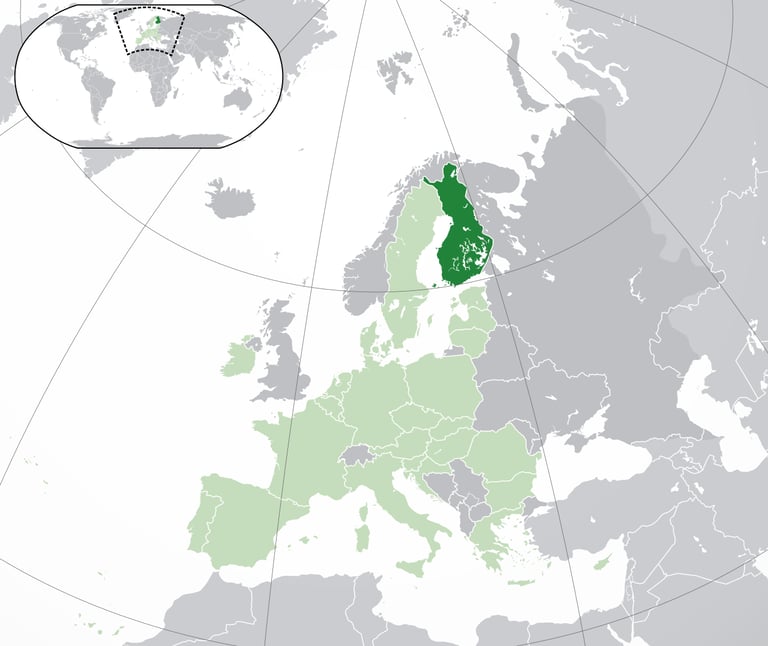
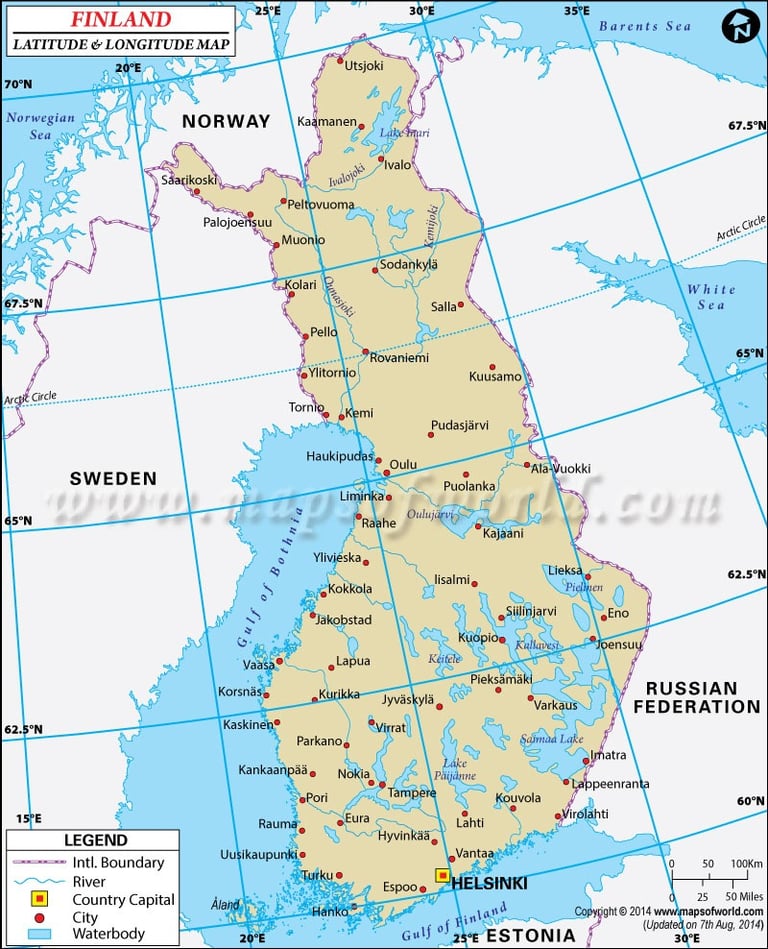
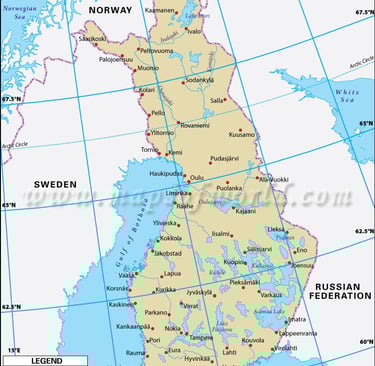
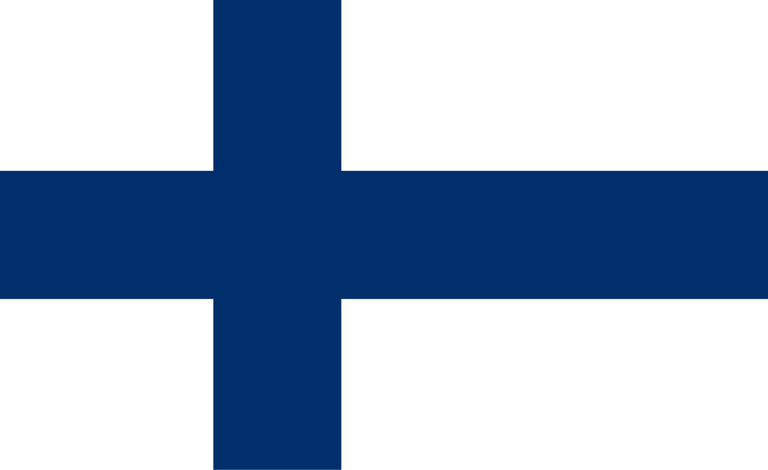
Official Name: Republic of Finland
Population: 5,550,449 (120th largest in the world, 23rd largest in Europe)
Area/Size: 130,559 square miles (about the size of Florida and Georgia combined)
Capital: Helsinki (1.4 million - sister city of Beijing, China)
Spoken Languages: Finnish (86%), Swedish (5%) (both official)
Religions: Lutheran (62%), no religion (35%)
Life Expectancy: 82.1 years Internet Access Rate: 93.5%
Per Capita Income: $64,091 Unemployment: 8.3%
What do they Export?: Paper, refined petroleum, steel, wood pulp, ships
Export Partners: U.S. (11%), Germany (11%), Sweden (10%), Netherlands (7%)
Import Partners: Germany (14%), Sweden (12%), China (9%), Norway (8%)
Government Type: Parliamentary republic (regular elections - last one in 2024 - open and free)
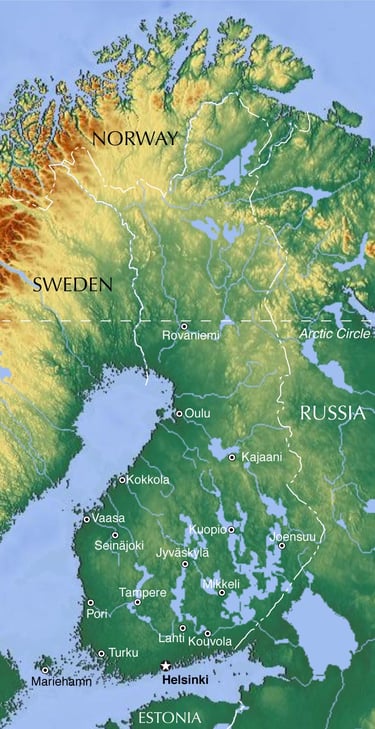
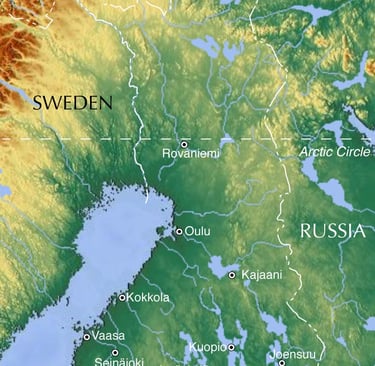
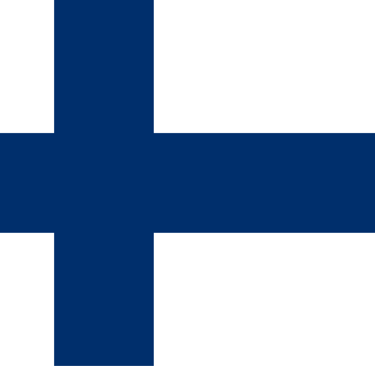
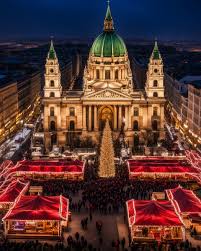
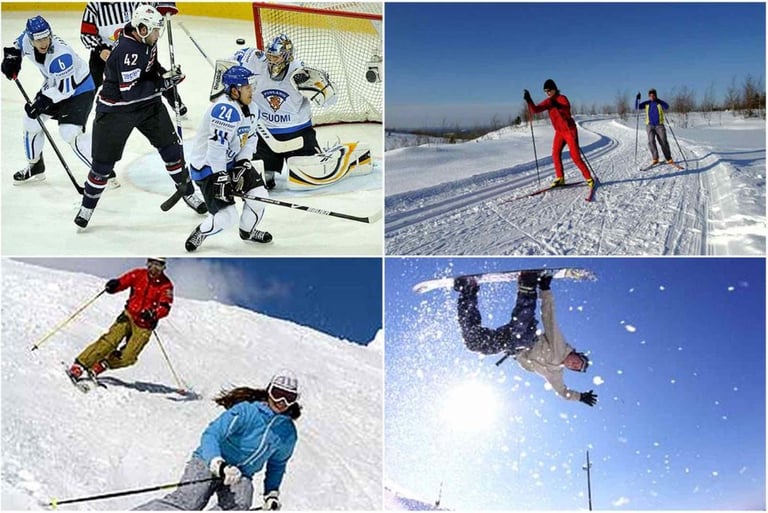
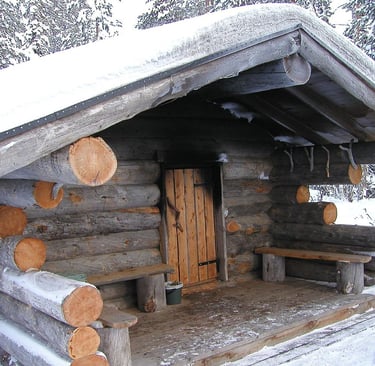
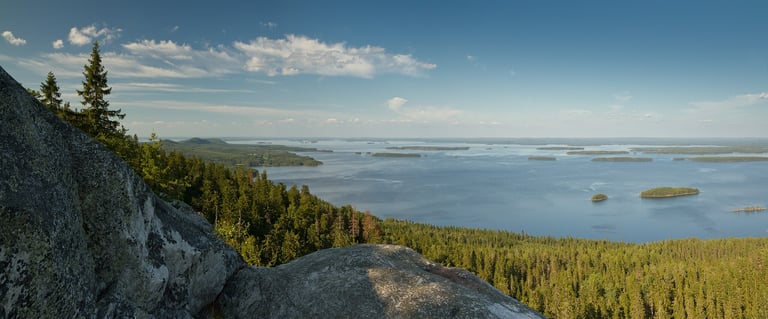
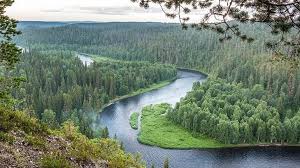
Section II - Images of Finland
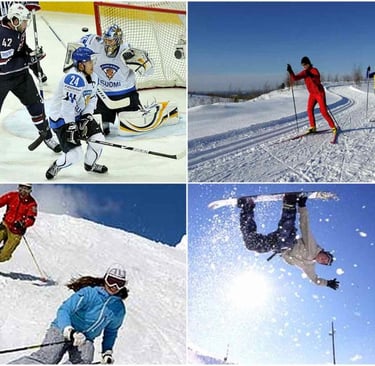
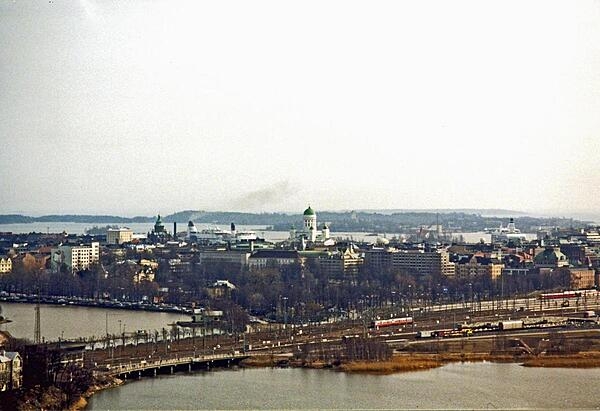
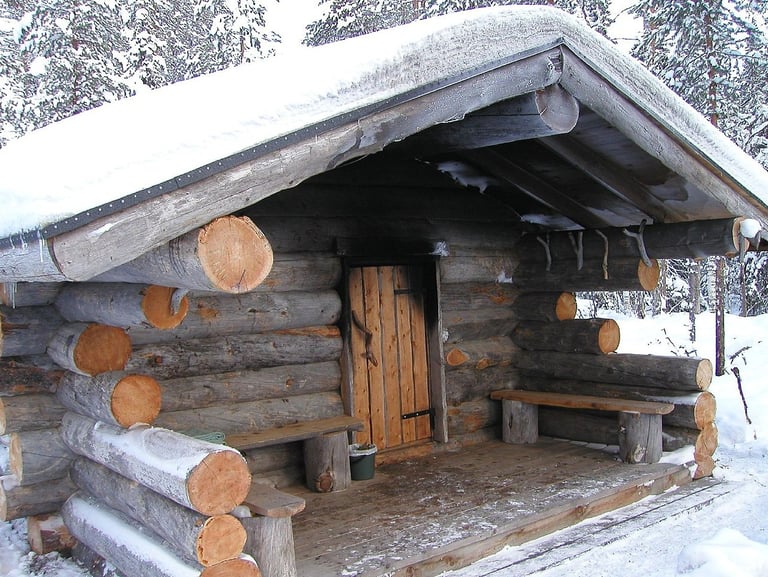
6 Key Dates/Periods in Finland's History
Probably no surprise to teachers, but most of the time the "key dates" will drive what the present-day issues are in the country. Certainly that will be true with the events of the 20th century - independence after the Russian Revolution, the Winter War as a smaller part of World War II, and Finland's position today on the eastern periphery of NATO.
c. 1000 - 1323 - Like much of Scandinavia, little is known of the peoples living in Finland before 1000AD other than the limited archaeological evidence left behind (since they had no written language). Much of what we know comes from references in other languages (like German). Most references, then, begin with the battles between Catholic and Orthodox religions starting in the 13th century. Later medieval legends describe Swedish attempts to conquer and Christianize Finland sometime in the mid-1150s. Russian chronicles also indicate there were several conflicts between Novgorod and the Finnic tribes from the 11th or 12th century to the early 13th century. Novgorod gained control in Karelia in 1278, the region inhabited by speakers of Eastern Finnish dialects. Sweden however gained the control of Western Karelia in 1293. Thus, the northern part of the border between Catholic and Orthodox Christendom came to lie at the eastern border of what would become Finland with the Treaty of Nöteborg with Novgorod in 1323.
1323 - 1809 - Finland gradually became part of the kingdom of Sweden and was annexed as part of the cultural order of Western Europe for the next 500 years. During the Protestant Reformation, the Finns gradually converted to Lutheranism. Finland's current capital city, Helsinki, was founded by King Gustav Vasa in 1555, and the first written works in Finnish appeared in the same time period. In the 18th century, wars between Sweden and Russia twice led to the occupation of Finland by Russian forces, times known to the Finns as the Greater Wrath (1714–1721) and the Lesser Wrath (1742–1743). It is estimated that almost an entire generation of young men was lost during the Great Wrath, due mainly to the destruction of homes and farms, and the burning of Helsinki. The final Russo-Swedish War came in 1809 as part of the Napoleonic Era, and ended with Russia taking Finland from Sweden once and for all.
1809 - 1918 - On 29 March 1809, after being conquered by the armies of Alexander I of Russia, Finland became an autonomous grand duchy within the Russian Empire. Although Swedish was still widely spoken, the Finnish language began to gain recognition during this period and a Finnish national identity was established. Relations between the Grand Duchy of Finland and the Russian Empire soured early in the 20th century when the Russian government began to take steps to restrict Finland's special status and autonomy. The Russian Revolution changed the geopolitical situation once again, and Finland declared independence on Dec 6, 1917. This led to a short but bitter civil war, where the Whites prevailed over the Reds. After a brief failed experiment with monarchy, a constitution was adopted and Finland became a presidential republic.
1939 - 1945 - The secret Aug 1939 Nazi-Soviet Pact between Hitler and Stalin led to the USSR launching the Winter War on 30 Nov 1939 in order to annex Finland. There was widespread condemnation of the unprovoked attack and it led to the Soviet Union being expelled from the League of Nations. The Red Army was defeated in numerous battles, but despite heavy losses in men and material began to advance into Finland in early 1940. A peace treaty was signed in March 1940, with Finland ceding Karelia to the Soviet Union. Hostilities resumed in June 1941 with the Continuation War, when Finland allied itself with Germany following the latter's invasion of the Soviet Union; the main aim was to regain the territory lost to the Soviets barely a year earlier. Once again the fighting led to a stalemate and later an armistice, but with the Soviets on the winning side in the larger war. As a result Finland had to make further territorial concessions and pay war reparations, but avoided occupation by Soviet forces and managed to retain its independence.
1946 - 1991 - After the war, development of trade with Western powers, such as the United Kingdom, and the payment of reparations to the Soviet Union led to Finland's transformation from a primarily agrarian society to an industrialized one. During the Cold War, Finland officially embraced a policy of neutrality. In politics, there was a tendency to avoid any policy or statement that could be interpreted as anti-Soviet, a phenomenon dubbed "Finlandization" by the West German press. By 1975 Finland's GDP per capita was the 15th highest in the world, and during the 1970s and 1980s, Finland built one of the most extensive welfare states in the world. The collapse of the Soviet Union led to a short but deep recession in the early 1990s.
1991 - present - The end of communism in Russia (and their perceived threat) led to Finland beginning to integrate more closely with the West. Finland joined the European Union in 1995 and the euro zone in 1999. Much of the economic growth of the late 1990s was fueled by the success of mobile phone manufacturer Nokia. Finland continued to maintain a largely-neutral foreign policy until the Russian invasion of Ukraine in 2022. Before Feb 2022, opinion polls showed a narrow but decisive majority against NATO membership; by April, a supermajority was in favor of membership. Finland subsequently became a member of NATO in April 2023.
Other Non-Political Issues
Section III - Issues of Finland
General Information on Finland:
“Finland", One World Nations Online, Jan 2025, https://www.nationsonline.org/oneworld/finland.htm
“Finland", Wikipedia, Jan 2026, https://en.wikipedia.org/wiki/Finland or https://simple.wikipedia.org/wiki/Finland
"Finland", National Geographic Kids, Dec 2025, https://kids.nationalgeographic.com/geography/countries/article/finland
"Visit Finland" (national tourism site), Government of Finland, 2026, https://www.visitfinland.com/en/
“The World Factbook - Finland", Central Intelligence Agency, Jan 2026, https://www.cia.gov/the-world-factbook/countries/finland/
History Links on Finland:
"Finland Explained in 15 Minutes | History, Geography, Culture, Opentiera, Dec 2025, https://www.youtube.com/watch?v=Iwym8ZZ3jvI
"The History of Finland", Cottage in Finland, in the middle of nature, 2022, https://finnishcottage.nl/the-history-of-finland/?lang=en
"How did Finland deal with the Soviet Union after the World War?" (video), The Cold War, Dec 2019, https://www.youtube.com/watch?v=cVAR60UocdQ
“Winter War: The 1939 Soviet Invasion Of Finland In Crystal-Clear Photos", Radio Free Europe, Nov 2019, https://www.rferl.org/a/finlands-winter-war-with-the-soviet-union/30280490.html
Current Events Stories on Finland:
"Finland clings to happiness crown as economic gloom deepens", Reuters.com, Nov 2025, https://www.reuters.com/business/finland-clings-happiness-crown-economic-gloom-deepens-2025-11-25/
"Finland seizes ship sailing from Russia after suspected cable sabotage", Al-Jazeera, Dec 2025, https://www.aljazeera.com/news/2025/12/31/police-investigating-damage-to-undersea-telecom-cable-in-gulf-of-finland
"Finland’s Long Drink Was One of the First Pre-Made Cocktails: The country's national drink is finally having a global moment", Food & Wine, Jan 2026, https://www.foodandwine.com/finlands-long-drink-history-11885761
"Fortress Finland: Nordic deterrence against Russia", GIS Reports, Feb 2026, https://www.gisreportsonline.com/r/fortress-finland-nordic-deterrence/
"Russia’s disinformation campaign toward Finland mirrors the buildup to its brutal invasion of Ukraine", Milwaukee Independent, Sep 2025, https://www.milwaukeeindependent.com/editorial/russias-disinformation-campaign-toward-finland-mirrors-buildup-brutal-invasion-ukraine/
"What it's like to live in the happiest country on Earth", BBC.com, Apr 2025, https://www.bbc.com/travel/article/20250416-what-its-like-to-live-in-the-happiest-country-on-earth
Other Interesting Links Related To Finland:
"Ice swimming embraced by people of happiest country in the world", CNN Travel, Jan 2019, https://www.cnn.com/travel/article/ice-swimming-finland
"The Lion’s Gold - Olympic Channel documentary - charts Finland’s path to ice hockey glory", Olympics.com, Jan 2026, https://www.olympics.com/en/milano-cortina-2026/news/watch-lions-gold-finland-road-to-olympic-gold
"Swastikas remain on some flags in Finland's air force but are on the way out", NBC News, Aug 2025, https://www.nbcnews.com/world/europe/swastikas-remain-flags-finlands-air-force-are-way-rcna228252
"Traditional foods in the markets of Helsinki Finland", Life's Incredible Journey, Oct 2018, https://lifesincrediblejourney.com/discover-foods-of-finland/ AND https://lifesincrediblejourney.com/photos-foods-of-helsinki-finland/
“Why Valentine’s Day in These European Countries Is All About Friendship”, Time Magazine, Feb 2020, https://time.com/5778265/valentines-day-finland-estonia/