Countries of the World (The Americas) - Saint Lucia
Eighth country from the Western Hemisphere in my new geography series. As you can probably tell, continuing a series of small Caribbean island nations for the next few weeks.
Section I - Basic Info on Saint Lucia
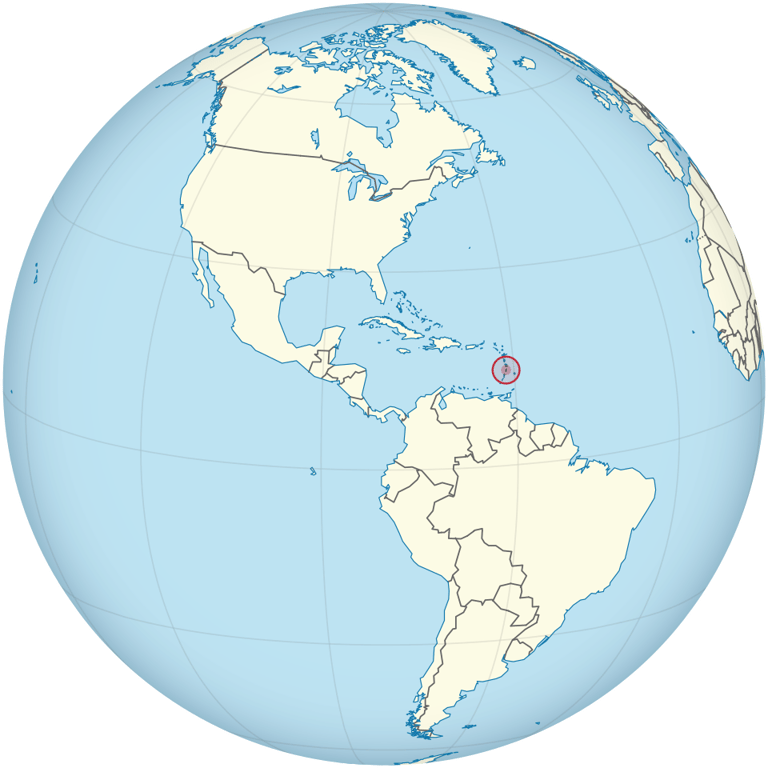
Official Name: Saint Lucia
Population: 168,462 (178th largest in the world, 32nd largest in the Americas)
Area/Size: 238 square miles (a little larger than the city of Chicago, IL)
Capital: Castries (22,300 - sister city of Taipei City, Taiwan)
Spoken Languages: English (official), Saint Lucian Creole
Religions: Catholic (69%), Protestant (24%), other Christian (3%)
Life Expectancy: 79.7 years Internet Access Rate: 70.1%
Per Capita Income: $27,567 Unemployment: 10.9%
What do they Export?: Bananas, clothing, cocoa, vegetables, coconut oil
Export Partners: Guyana (20%), Suriname (15%), U.S. (11%), Barbados (8%)
Import Partners: U.S. (59%), Guyana (8%), Brazil (7%), China (5%), U.K. (3%)
Government Type: Parliamentary democracy within the British Commonwealth (last election 2021, peaceful transitions of power)
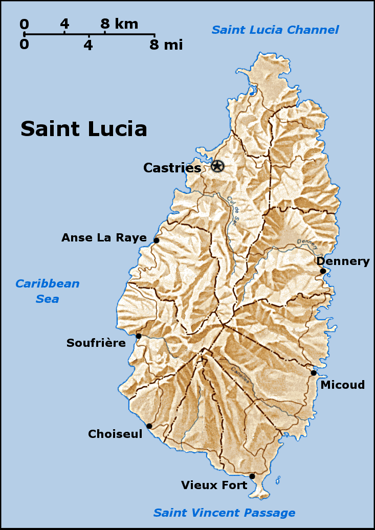
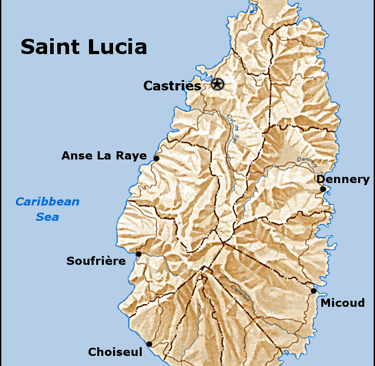
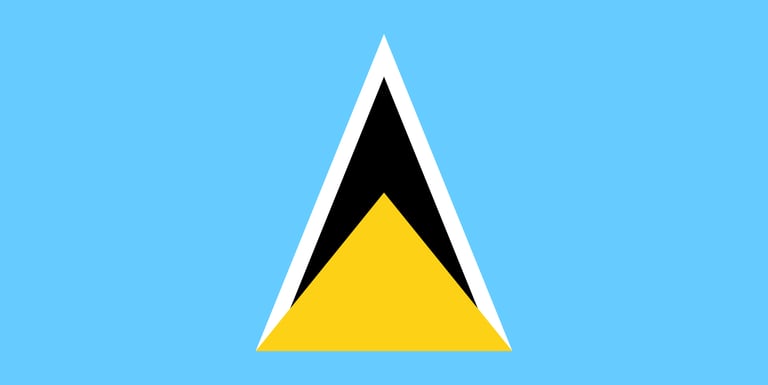
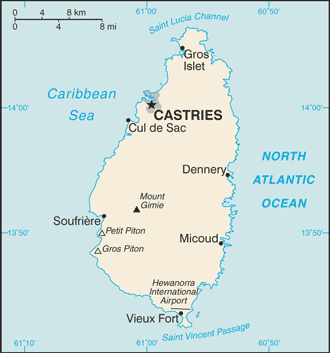
Section II - Images of Saint Lucia
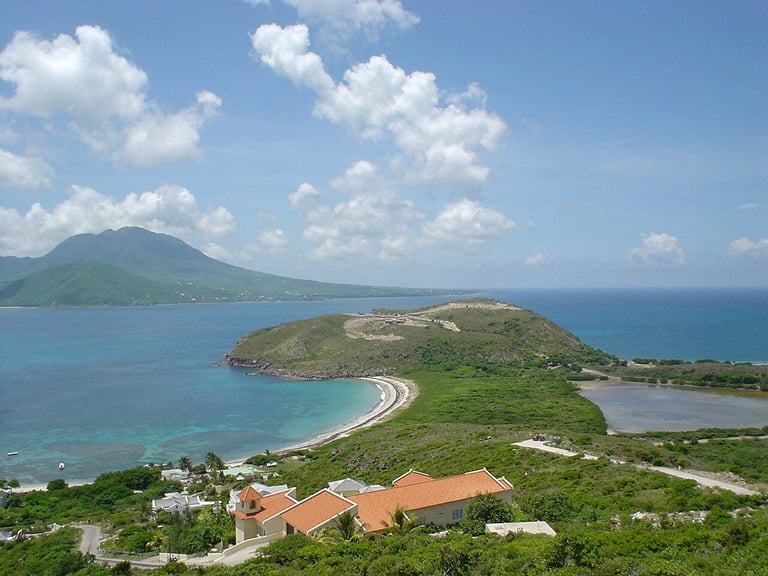
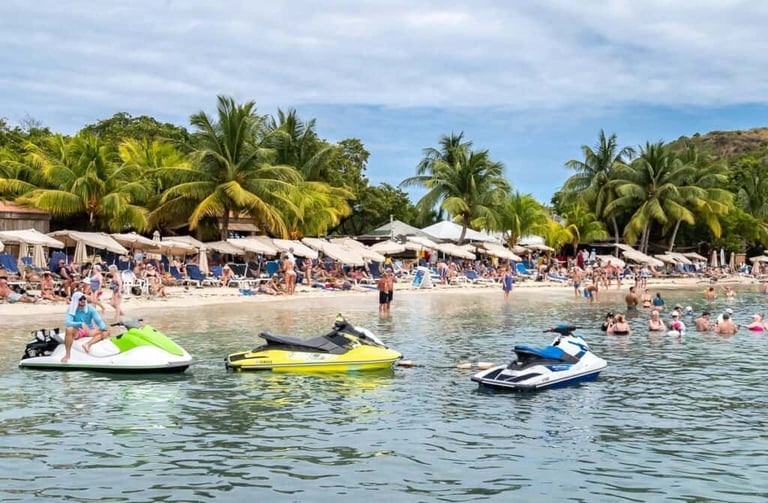
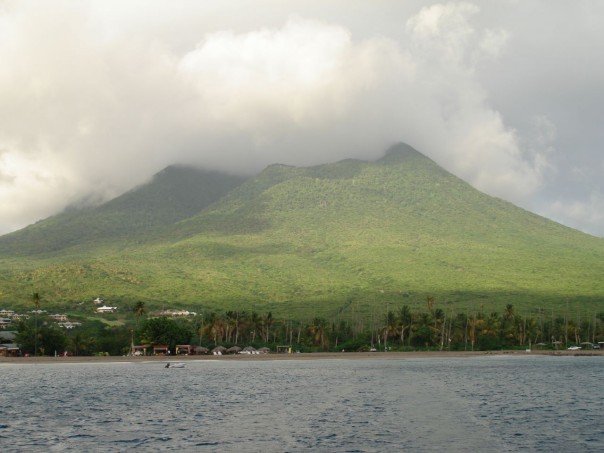
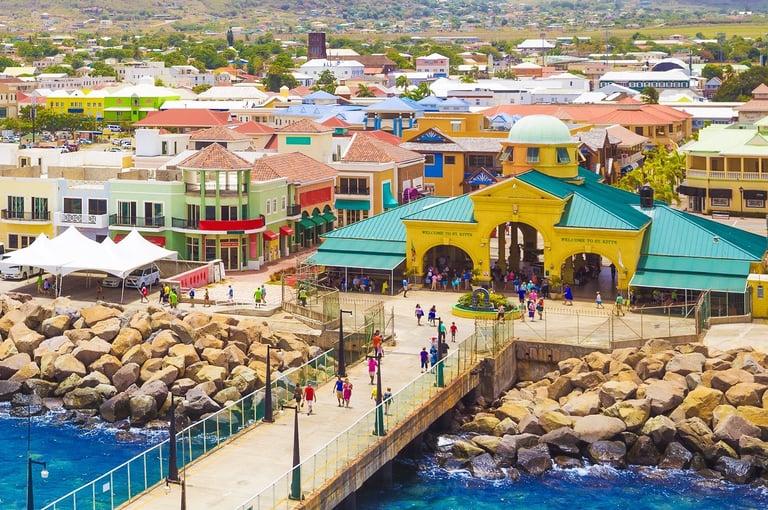
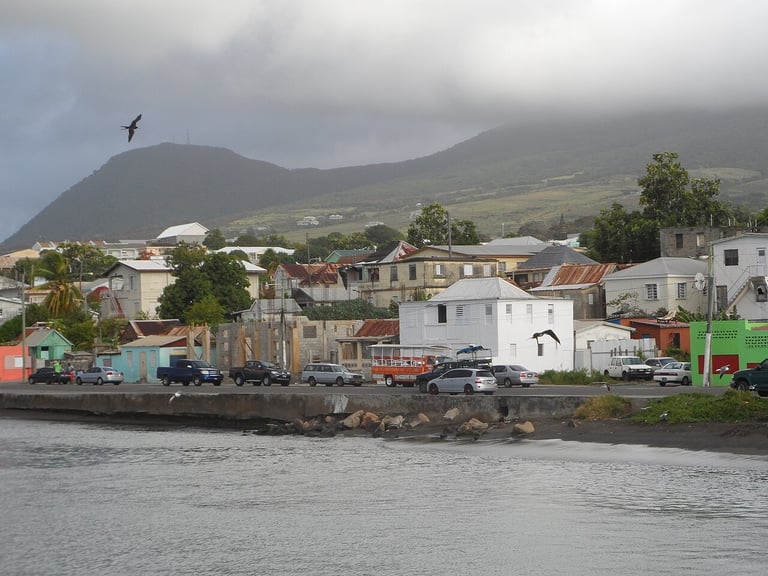
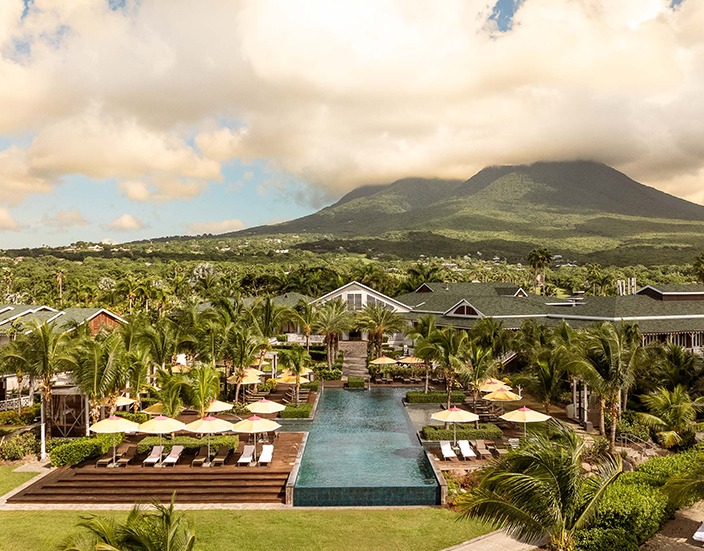
5 Key Dates/Periods in Saint Lucia's History
I'm going to keep these Caribbean island histories fairly simple since so much of the history is going to be very similar until post-World War II other than the colonial empire it was once part of. In this case, the fact that Saint Lucia is still part of the British Commonwealth (rather than breaking away like the U.S. and others) minimizes the need for a lot of connections to British colonial history.
c. 1000 BC - 1520 CE - Saint Lucia was first inhabited sometime between 1000 and 500 BC by the Ciboney, but there is not much evidence of their presence on the island. The first proven inhabitants were the peaceful Arawaks, believed to have come from northern South America around 200-400 AD, as there are numerous archaeological sites on the island where specimens of the Arawaks' well-developed pottery have been found. The more aggressrrived around 800 AD, and seized control from the Arawaks by killing their men and assimilating the women into their own society. The Caribs had a complex society, with hereditary kings and shamans. Their war canoes could hold more than 100 men and were fast enough to catch a sailing ship. They were later feared by the invading Europeans for their ferocity in battle. Christopher Columbus may have sighted the island during his fourth voyage in 1502, yet he does not mention the island in his log. Juan de la Cosa noted the island on his map of 1500, calling it El Falcon, while a globe in the Vatican made in 1502, shows the island as Santa Lucia.
1600 - 1700 - In 1605, an English vessel called the Oliphe Blossome was blown off-course on its way to Guyana, and the 67 colonists started a settlement on Saint Lucia. But after continued attacks by the Carib, the 19 survivors fled the island later that year. In 1626, the Compagnie de Saint-Christophe was chartered by Cardinal Richelieu, chief minister of Louis XIII, to colonize the Lesser Antilles. The following year, a royal patent was issued to James Hay, 1st Earl of Carlisle by Charles I of England granting rights over the same Caribbean islands, creating a competing claim. English documents claim colonists from Bermuda settled the island in 1635, while a French letter of patent claims settlement on 8 March 1635 by a Pierre Belain d'Esnambuc. Thomas Warner sent 300-400 Englishmen to establish a settlement at Praslin Bay but they were attacked over three weeks by Caribs, until the few remaining colonists fled in Oct 1640. In 1643 the Governor of Martinique noted that the British had abandoned Saint Lucia and in June 1650 he sent 40 Frenchmen to establish a fort at the mouth of the Rivière du Carenage, near present day Castries. In Apr 1663, the Caribs sold St. Lucia to Francis Willoughby, the English governor of the Caribbean. He invaded the island with 1100 Englishmen and 600 Amerindians in 5 ships-of-war and 17 pirogues forcing the 14 French defenders to flee. However, the English colony succumbed to disease. A series of invasions and treaties ensued over the remainder of the 17th century to outnumber Europeans. A Spanish expedition of 1629 sent to enforce Spanish claims destroyed the English and French colonies and deported the settlers back to their respective countries. As part of the war settlement in 1630, the Spanish permitted the re-establishment of the English and French colonies and Spain later formally recognized Britain's claim to St Kitts in return for British cooperation in the fight against piracy.
1700 - 1794 - Both the British, with their headquarters in Barbados, and the French, centered on Martinique, found Saint Lucia attractive after the slave-based sugar industry developed in 1763. As a result, during the 18th century the island changed ownership or was declared neutral territory a dozen times. Particularly under the French, the slave population increased sharply mid-century (from 2500 in 1745 to 16,000 thirty years later). The British occupied Saint Lucia during both the Seven Years War and the American Revolution, but in both cases the peace treaties ending the conflicts restored the island to French rule. In Jan 1791, during the French Revolution, the National Assembly sent four Commissaries to St. Lucia to spread the revolution philosophy. By Aug, slaves began to abandon their estates and the governor fled. The National Convention abolished enslavement in Feb 1794, but St. Lucia fell to a British invasion two months later. Soon, a French patriot army of resistance began to fight back, starting the First Brigand War.
1795 - 1900 - The British invaded Saint Lucia in response to the concerns of the wealthy plantation owners, who wanted to keep sugar production going. However, in Feb 1795 a group of rebels, led by Victor Hugues, defeated a battalion of British troops. For the next four months, a group of recently freed slaves known as the Brigands forced out not only the British army, but every white slave-owner from the island (coloured slave owners were left alone, as in Haiti). The English were eventually defeated on June 19, and fled from the island. The Royalist planters fled with them, leaving the remaining Saint Lucians to enjoy “l’Année de la Liberté”, “a year of freedom from slavery…”. The remaining aristocratic planters were brought to trial, and several lost their heads on the guillotine, which had been brought to Saint Lucia with the troops. The British continued to harbor hopes of recapturing the island and in April 1796 Sir Ralph Abercrombie and his troops attempted to do so. Castries was burned as part of the conflict, and after approximately one month of bitter fighting the French surrendered at Morne Fortune on 25 May. The island changed hands a couple more times during the Napoleonic Era before the island was officially ceded to Britain in 1814. Later in 1838, Saint Lucia was incorporated into the British Windward Islands administration, headquartered in Barbados. This lasted until 1885, when the capital was moved to Grenada.
1900 - present - Increasing self-government has marked St Lucia's 20th-century history. A 1924 constitution gave the island its first form of representative government, with a minority of elected members in the previously all-nominated legislative council. Universal adult suffrage was introduced in 1951, and elected members became a majority of the council. In 1958 St. Lucia joined the short-lived West Indies Federation, a semi-autonomous dependency of the United Kingdom. When the federation collapsed in 1962, following Jamaica's withdrawal, a smaller federation was briefly attempted. After the second failure, the United Kingdom and the six windward and leeward islands—Grenada, St. Vincent, Dominica, Antigua, St. Kitts and Nevis and Anguilla, and St. Lucia—developed a novel form of cooperation called associated statehood. As an associated state of the United Kingdom from 1967 to 1979, St. Lucia had full responsibility for internal self-government but left its external affairs and defence responsibilities to the United Kingdom. This interim arrangement ended on 22 February 1979, when St. Lucia achieved complete independence. Today St. Lucia is a constitutional monarchy with King Charles III as King of St. Lucia and is an active member of the Commonwealth of Nations.
Other Non-Political Issues
Section III - Issues of Saint Lucia
General Information on Saint Lucia:
“Economy of Saint Lucia", The World Bank, Jan 2026, https://data360.worldbank.org/en/economy/LCA
“Saint Lucia", One World Nations Online, Jan 2025, https://www.nationsonline.org/oneworld/saint_lucia.htm
“Saint Lucia", Wikipedia, Apr 2026, https://en.wikipedia.org/wiki/Saint_Lucia or https://simple.wikipedia.org/wiki/Saint_Lucia
"Saint Lucia: Let Her Inspire You" (official tourism site), Saint Lucia Tourism Authority, 2026, https://stlucia.org/en/
History Links on Saint Lucia:
"Saint Lucia Explained in 10 Minutes (History, Geography, And Culture)" (video), Opentiera, May 2024, https://www.youtube.com/watch?v=GqWdfAqv1G4
"Saint Lucia country profile (w/timeline)", BBC News, Aug 2024, https://www.bbc.com/news/world-latin-america-19833213
“Saint Lucia World Heritage Sites" (specifically focusing on the Pitons Management Area), UNESCO World Heritage Convention, 2026, https://whc.unesco.org/en/statesparties/lc AND specific page on the Pitons Management Area - https://whc.unesco.org/en/list/1161
Current Events Stories on Saint Lucia:
“How one Caribbean country is changing the face of debt", The Commonwealth, Aug 2025, https://thecommonwealth.org/news/how-one-caribbean-country-changing-face-debt
"St Lucia votes in election dominated by economy, crime and passport sales", The Guardian (U.K.), Dec 2025, https://www.theguardian.com/world/2025/dec/01/st-lucia-votes-election-economy-crime-passport-sales
"Olympic win highlights another side of this tropical paradise", BBC News, Aug 2024, https://www.bbc.com/travel/article/20240822-st-lucia-the-tiny-caribbean-island-that-won-olympic-gold
"What small island nations – like Saint Lucia – need to survive and thrive in the post-pandemic world", World Economic Forum, May 2020, https://www.weforum.org/stories/2020/05/small-island-developing-states-sids-saint-lucia-covid-19-coronavirus-pandemic-development-finance-country-roadmaps/
Other Interesting Links Related To Saint Lucia:
"Cocoa’s revival on the tropical island of Saint Lucia", Food and Agriculture Organization of the United Nations, Mar 2024, https://www.fao.org/newsroom/story/cocoas-revival-on-the-tropical-island-of-saint-lucia/en
"Savor Saint Lucia From Spices to Chocolate and Rum", Food & Wine, Feb 2026, https://www.foodandwine.com/taste-st-lucia-11887605
"The unspoiled Caribbean island of Saint Lucia" (video), Chronicle 5 WCVB Boston, Mar 2022, https://www.youtube.com/watch?v=E-ro9PxeZV4
"Where to See St. Lucia’s Incredible Wildlife", The Culture Trip, Nov 2024, https://theculturetrip.com/north-america/saint-lucia/articles/where-to-see-st-lucias-incredible-wildlife
Section IV - Resources About Saint Lucia
ECON and More
Curating articles for K-12 education.
CONTACT
© 2025. All rights reserved.