
Countries of the World (The Americas) - Saint Vincent and the Grenadines
Ninth country from the Western Hemisphere in my new geography series. As you can probably tell, continuing a series of small Caribbean island nations for the next few weeks (at least in the posts on The Americas).
Section I - Basic Info on Saint Vincent and the Grenadines
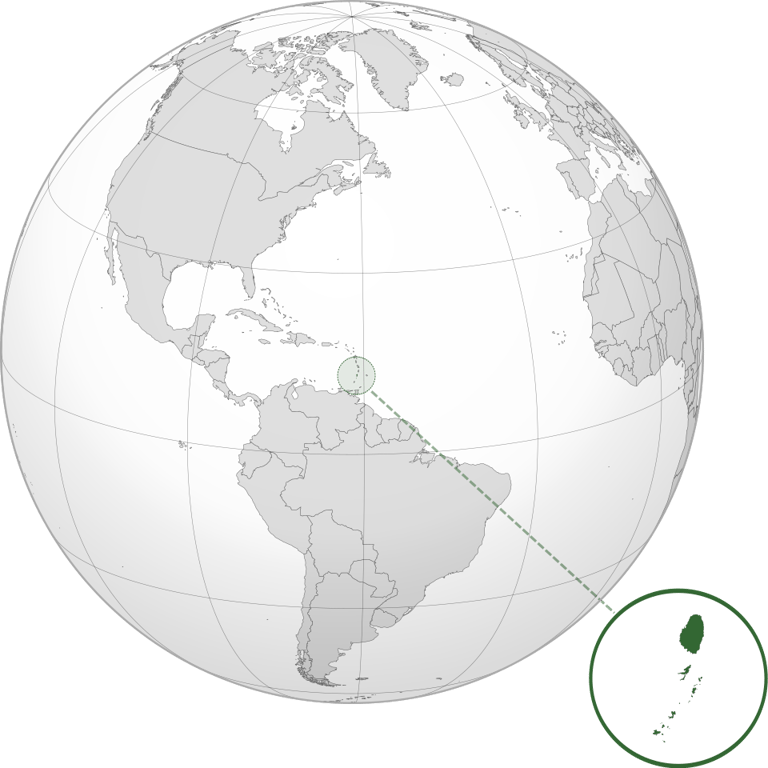
Official Name: Saint Vincent and the Grenadines
Population: 100,498 (183rd largest in the world, 34th largest in the Americas)
Area/Size: 150 square miles (about the size of the city of Denver, CO)
Capital: Kingstown (26,636 - sister city of Taipei City, Taiwan)
Spoken Languages: English (official), Vincentian Creole, French patois
Religions: Protestant (65%), other Christian (20%), Hindu (3%)
Life Expectancy: 77.4 years Internet Access Rate: 76.0%
Per Capita Income: $21,272 Unemployment: 18.1%
What do they Export?: Passenger and Cargo Ships, Recreational Boats, Wheat Flours
Export Partners: Croatia (16%), Barbados (14%), U.S. (10%), St. Lucia (10%)
Import Partners: U.S. (37%), Italy (7%), Trinidad and Tobago (7%), China (6%)
Government Type: Parliamentary democracy within the British Commonwealth (last election Nov 2025, peaceful transitions of power)
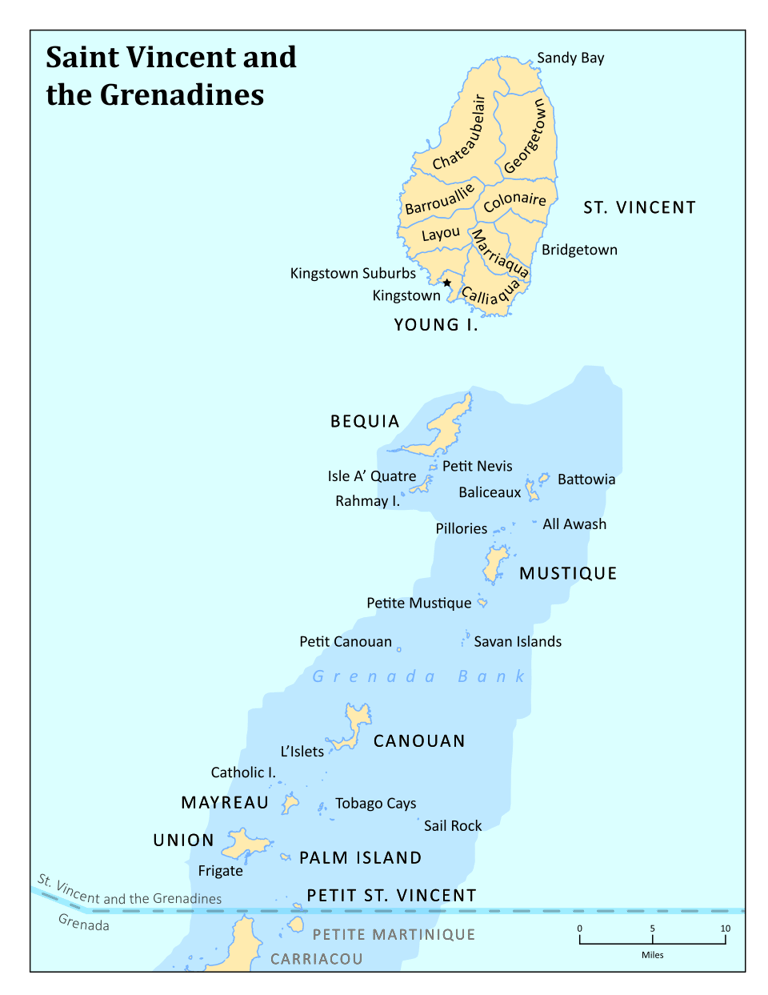

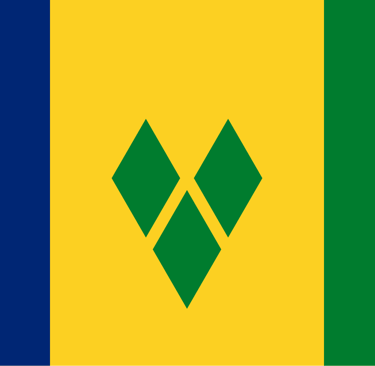
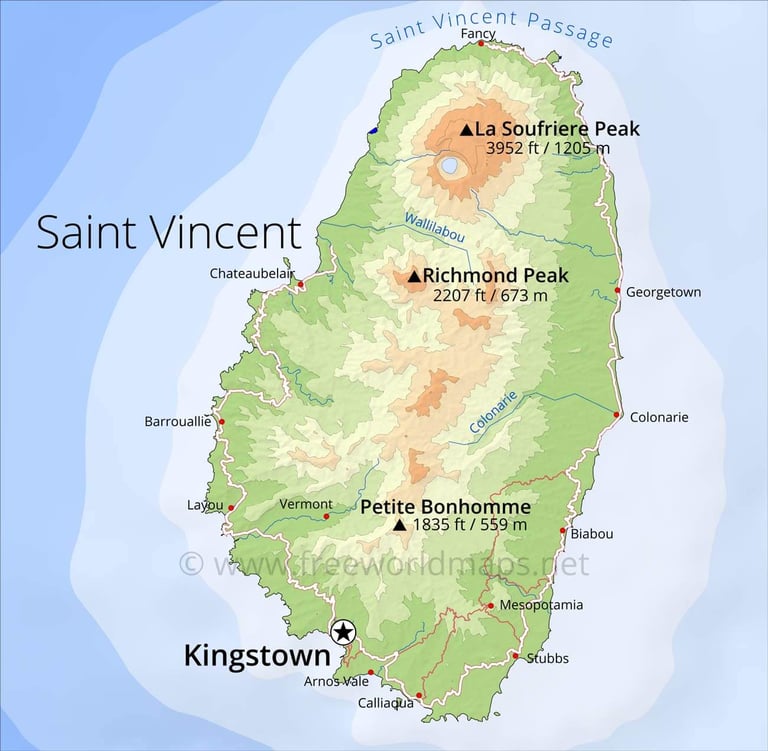
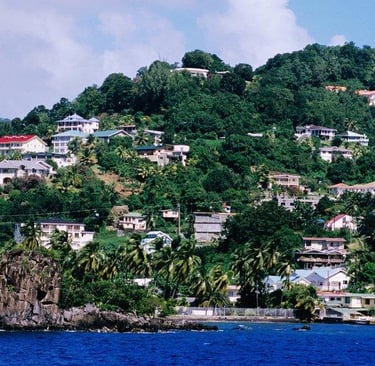
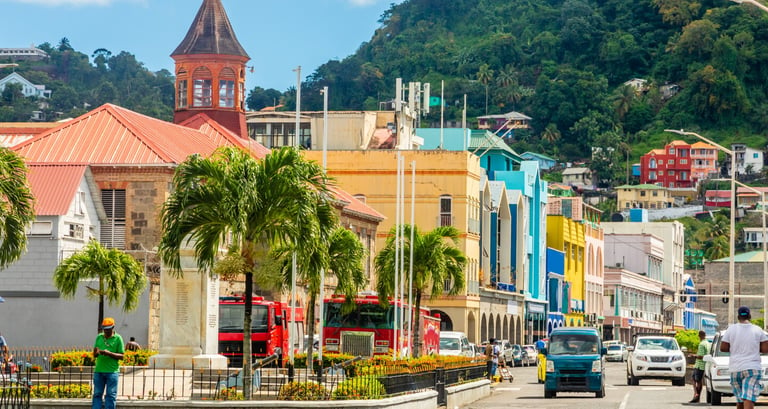
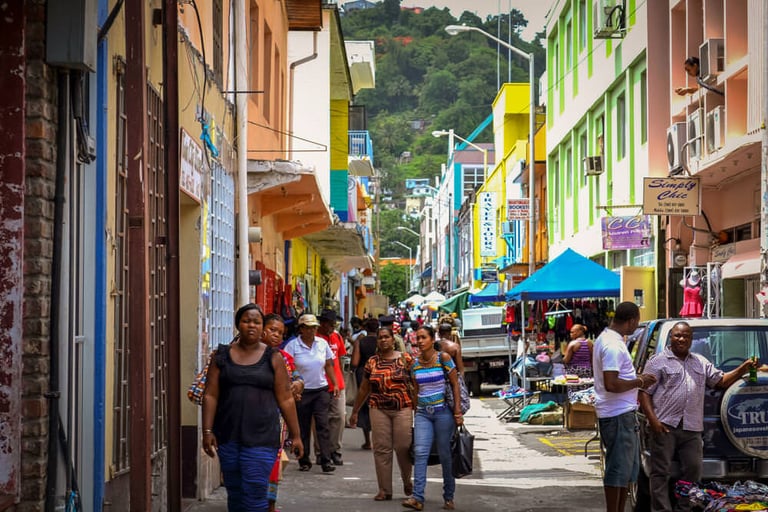
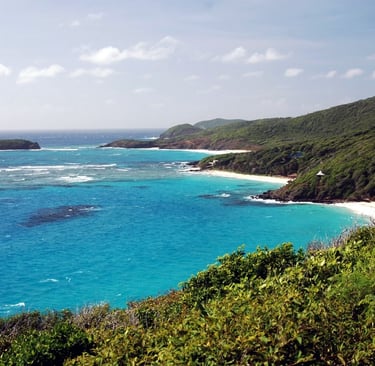
Section II - Images of Saint Vincent and the Grenadines
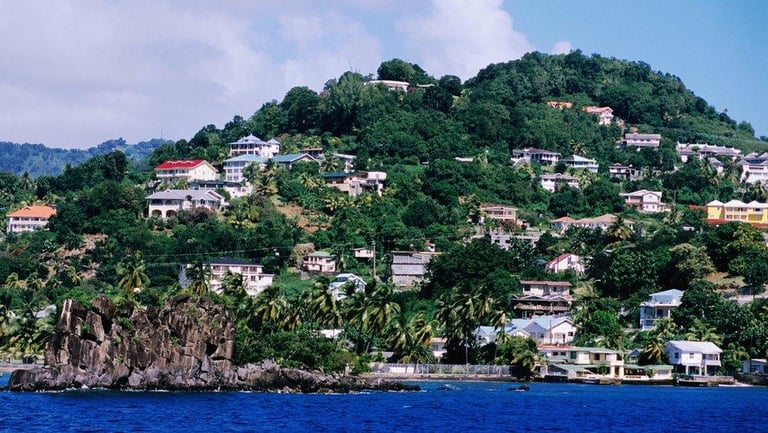
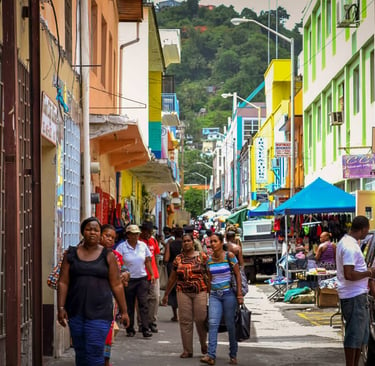
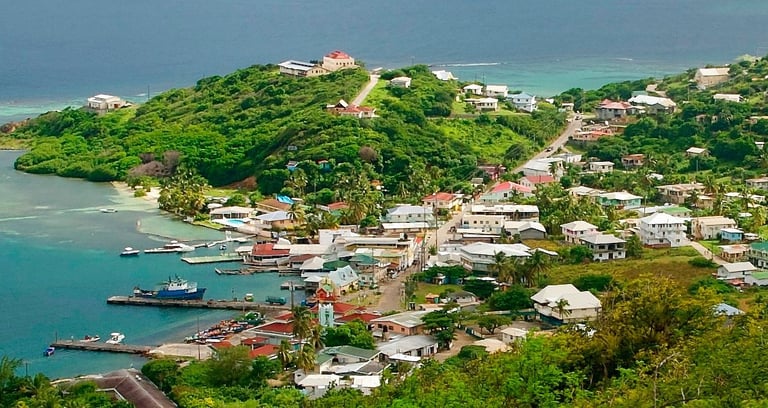
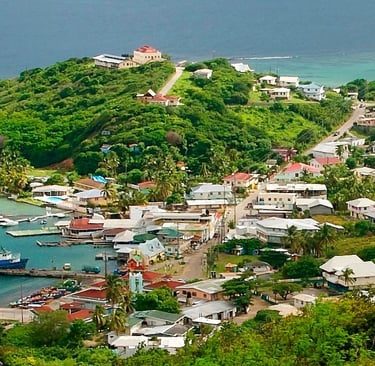
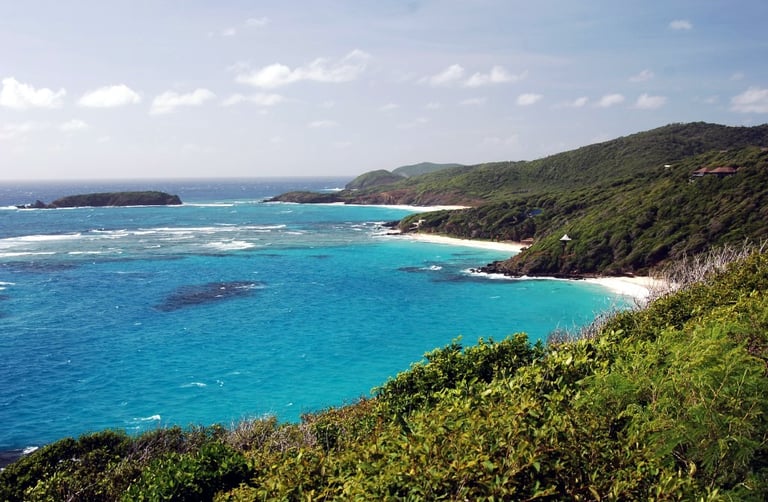


5 Key Dates/Periods in Saint Vincent and the Grenadines' History
I'm going to keep these Caribbean island histories fairly simple since so much of the history is going to be very similar until post-World War II other than the colonial empire it was once part of. In this case, the fact that Saint Vincent and the Grenadines is still part of the British Commonwealth (rather than breaking away like the U.S. and others) minimizes the need for a lot of connections to British colonial history.
c. 1000 BC - 1520 CE - Before the arrival of Europeans and Africans in the 16th century, various Amerindian groups passed through or settled on St. Vincent and the Grenadines, including the Ciboney, Arawak, and Carib people. These groups likely originated in the Orinoco Valley of South America and migrated north through Trinidad and the Lesser Antilles. By the time Christopher Columbus passed near St. Vincent on his third voyage in 1498, the Caribs occupied the island after displacing the Arawaks a few centuries earlier. Columbus and the Spanish conquistadors largely ignored St. Vincent and the smaller Grenadine islands nearby, but focused instead on the pursuit of gold and silver in Central and South America. They did embark on slaving expeditions in and around St. Vincent following royal sanction in 1511, driving the Carib inhabitants to the rugged interior, but the Spanish made no attempt to settle the island.
1520 - 1763 - Carib Indians aggressively prevented European settlement on St. Vincent until the 18th century. African slaves, whether shipwrecked or escaped from St. Lucia or Grenada and seeking refuge in St. Vincent, intermarried with the Caribs and became known as "black Caribs" (now known as Garifuna). The first Europeans to occupy St. Vincent were the French. However, following a series of wars and peace treaties, the islands were eventually ceded to the British. While the English were the first to lay claim to St. Vincent in 1627, the French (centered on the island of Martinique) would be the first European settlers on the island when they established their first colony on the Leeward side of St. Vincent in 1719. The French settlers cultivated coffee, tobacco, indigo, corn, and sugar on plantations worked by African slaves. St. Vincent was eventually ceded to Britain by the Treaty of Paris (1763) at the end of the Seven Years War.
1763 - 1797 - Friction between the British and the Caribs led to the First Carib War. The First Carib War (1769–1773) was fought over British attempts to extend colonial settlements into Black Carib territories. Led primarily by Black Carib chieftain Joseph Chatoyer, the Caribs successfully defended the windward side of the island against a military survey expedition in 1769, and rebuffed repeated demands that they sell their land to representatives of the British colonial government. British commissioners launched a full-scale military assault on the Caribs in 1772 with the objective of subjugating and deporting them from the island. British unfamiliarity with the windward lands of the island and effective Carib defense of the island's difficult mountain terrain blunted the British advance, and political opposition to the expedition in London prompted an enquiry and calls for it to be ended. With military matters at a stalemate, a peace agreement was signed in 1773 establishing boundaries between British and Carib areas of the island. The French captured Saint Vincent in 1779 during the American War of Independence, but it was restored to Britain by the Treaty of Versailles (1783).
The Second Carib War begun in March 1795 by the Caribs, who harbored long-standing grievances against the British colonial administration, and were supported by French Revolutionary advisors including the radical Victor Hugues. The Caribs successfully gained control of most of the island except for the immediate area around Kingstown, which was saved from direct assault on several occasions by the timely arrival of British reinforcements. British efforts to penetrate and control the interior and windward areas of the island were repeatedly frustrated by incompetence, disease, and effective Carib defenses, which were eventually supplemented by the arrival of some French troops from Martinique. A major military expedition by General Ralph Abercromby was eventually successful in crushing the Carib opposition in 1797.
1797 - 1979 - Like the French before them, the British used African slaves to work plantations of sugar, coffee, indigo, tobacco, cotton and cocoa. Decades after the success of the Haitian Revolution, the British abolished slavery in 1834; full emancipation was achieved in 1838. The economy then went into a period of decline with many landowners abandoning their estates and leaving the land to be cultivated by liberated slaves. The resulting labor shortages on the plantations attracted Portuguese immigrants in the 1840s and East Indians in the 1860s as laborers. Conditions remained harsh for both former slaves and immigrant agricultural workers, as depressed world sugar prices kept the economy stagnant until the turn of the 20th century. A Crown Colony government was installed in 1877, a Legislative Council created in 1925, and universal adult suffrage granted in 1951. During this period, the British made several unsuccessful attempts to affiliate St. Vincent with other Windward Islands in order to govern the region through a unified administration. The most notable was the West Indies Federation, which collapsed in 1962.
1979 - present - St. Vincent was granted associate statehood status in Oct 1969, giving it complete control over its internal affairs. Following a referendum in 1979, St. Vincent and the Grenadines became the last of the Windward Islands to gain independence in Oct 1979. The Saint Vincent Labour Party (SVLP), led by Milton Cato, won the first post-independence election in 1979. Expecting an easy victory for the SVLP in 1984, Cato called early elections. The results were surprising, as James Fitz-Allen Mitchell's New Democratic Party (NDP) won the election and proceeded to dominate elections throughout the 1980s and 1990s. Then in 2001, the Unity Labour Party (ULP), led by Ralph Gonsalves, assumed power and controlled the next 5 elections in 2005, 2010, 2015, and 2020. Finally in Nov 2025 the NDP under its leader Godwin Friday, swept to power and formed the current . Natural disasters have also plagued the country throughout the 20th century, including hurricanes in 1980 and 1987 devastating banana and coconut plantations, and the eruption of the La Soufrière volcano in 2021, sending ash several miles into the atmosphere and leading to the evacuation of approximately 16,000 people.
Other Non-Political Issues
Section III - Issues of Saint Vincent and the Grenadines
General Information on Saint Vincent and the Grenadines:
“Economy of Saint Vincent and the Grenadines", The World Bank, Jan 2026, https://data360.worldbank.org/en/economy/VCT
“Saint Vincent and the Grenadines", One World Nations Online, Jan 2025, https://www.nationsonline.org/oneworld/saint_vincent_grenadines.htm
“Saint Vincent and the Grenadines", Wikipedia, Jun 2026, https://en.wikipedia.org/wiki/Saint_Vincent_and_the_Grenadines or https://simple.wikipedia.org/wiki/Saint_Vincent_and_the_Grenadines
"Saint Vincent and the Grenadines travel guide: where to stay and what to do", Cosmopolitan Magazine, Jul 2024, https://www.cosmopolitan.com/uk/lifestyle/travel/a61438457/saint-vincent-and-the-grenadines-travel-guide/
"Saint Vincent and the Grenadines: The Caribbean You're Looking For" (official tourism site), Saint Vincent and the Grenadines Tourism Authority, 2026, https://discoversvg.com/
History/Current Events Links on Saint Vincent and the Grenadines:
“Building Back Better—and Stronger—in Saint Vincent and the Grenadines", The World Bank Group, Jan 2026, https://www.worldbank.org/en/news/feature/2026/01/20/building-back-better-and-stronger-in-saint-vincent-and-the-grenadines
"Opposition NDP party claims victory in Saint Vincent and the Grenadines", Al-Jazeera, Nov 2025, https://www.aljazeera.com/news/2025/11/28/opposition-ndp-party-claims-victory-in-saint-vincent-and-the-grenadines
"Rising from the Ashes: How Saint Vincent is Rebuilding After a Volcanic Eruption", The World Bank Group, Jan 2026, https://www.worldbank.org/en/news/feature/2026/01/20/rising-from-the-ashes-how-saint-vincent-is-rebuilding-after-a-volcanic-eruption
"Saint Vincent and the Grenadines Explained in 13 Minutes (History, Geography, And Culture)" (video), Opentiera, Aug 2025, https://www.youtube.com/watch?v=a-HBgQDvzFE
“St. Vincent PM and NDP mark first 100 days in office", Caribbean National Weekly, Mar 2026, https://www.caribbeannationalweekly.com/posts/st-vincent-pm-and-ndp-mark-first-100-days-in-office
Other Interesting Links Related To Saint Vincent and the Grenadines:
"The Black Girl's Guide To Travel: A Girlfriends’ Getaway To Saint Vincent", Essence Magazine, Oct 2025, https://www.essence.com/lifestyle/travel/sandals-saint-vincent/
"A Caribbean island-hopping adventure in St Vincent & the Grenadines", National Geographic, Feb 2024, https://www.nationalgeographic.com/travel/article/caribbean-island-hopping-st-vincent-and-the-grenadines
"Food of St Vincent & The Grenadines: 10 Must Try Dishes", Travel Food Atlas, Sep 2023, https://travelfoodatlas.com/st-vincent-the-grenadines-food
"My Summer Days in Saint Vincent and the Grenadines", Old Gold & Black (Wake Forest University), Sep 2025, https://wfuogb.com/27432/features/my-summer-days-in-saint-vincent-and-the-grenadines/
"This Caribbean Island Chain Is Home to Stunning Black-sand Beaches and an All-inclusive Resort With Overwater Bungalows", Travel+ Leisure, Apr 2026, https://www.travelandleisure.com/st-vincent-and-the-grenadines-travel-guide-11926327
Section IV - Resources About Saint Vincent and the Grenadines
ECON and More
Curating articles for K-12 education.
CONTACT
© 2025. All rights reserved.