NCSS Virtual Conference - Post #2
Like I have with previous conferences I attend, I'm planning to post some material from good sessions I saw during the NCSS (National Council for the Social Studies) virtual conference in late June. I decided as I started creating the posts, though, to divide up the material into smaller "bites". So here is Post #2 on the conference, focusing on both a lesson curriculum integrating women's history into American history, as well as a new project to use children's literature on famous American women to introduce lesser-known stories from American history . . .
WAMS' Unit Plan on Early Encounters (1492 - 1715)
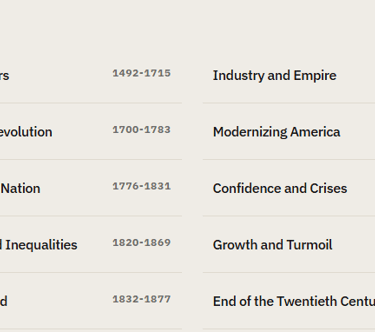
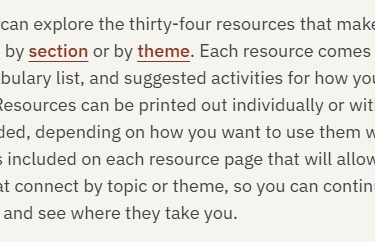
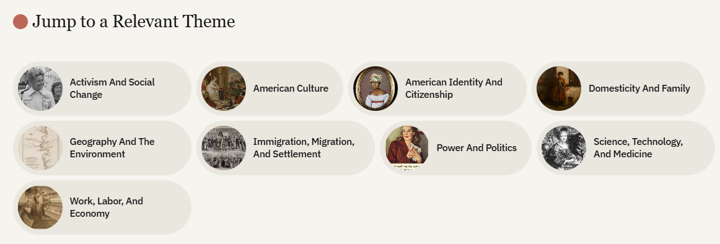
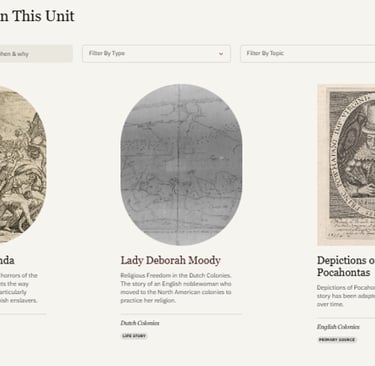
Here I am focusing on the first of the ten units, since I know colonization is a topic taught in almost every elementary school at some level. As it notes below, you can then explore the resources by section (focusing on 1 of the 4 main types of European colonies in North America) OR by theme across time periods. Again, what I have given you below here are screenshots - the links will be available at the end:


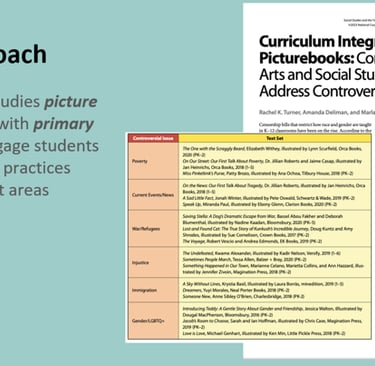





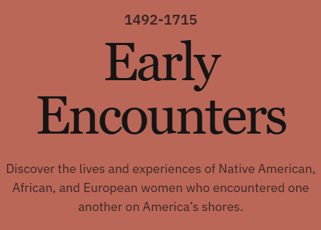
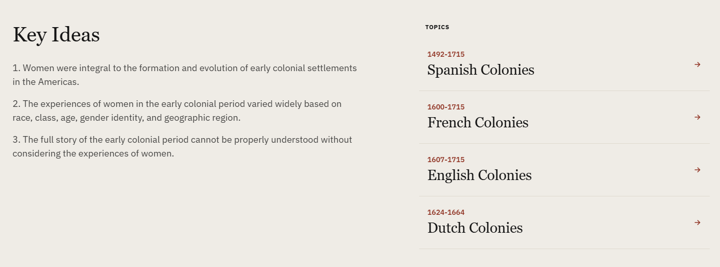



I saw two good sessions on women's history during the second day of the virtual NCSS Conference, along with some new resources on other female characters outside the 250th anniversary (which was a major focus on the conference in general). In this post I'm going to focus on the second presentation from the "Women & The American Story" project from New York Historical, looking at both their materials related to the founding period and information about their new children's literature project.
As I noted with Post #1, please note that I am somewhat limited in what I can share from the conference itself (since it was a paid attendance event) - I can't share links to the actual presentation recordings, for example. But I will be able to link you directly to their materials and share some screenshots from their presentation slides . . .
Session #2 - Bringing Women’s History Alive: Life Stories in Children’s Literature:
The second session was presented by Dr. Rachel Turner from Utah State University, representing the "Women & The American Story curriculum project at the New York Historical (museum). The curriculum project encompasses 10 units providing an overview of all of American history from the perspective of women, but specifically this session was designed to feature women from early American history within the first 3 units (which I picture below). Dr. Turner also focused on a new project looking at "life stories in children's literature" (which I will describe more below). For a start, though, let's look at both the presentation and the website for the curriculum project . . .
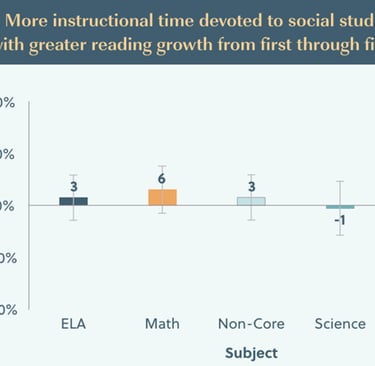
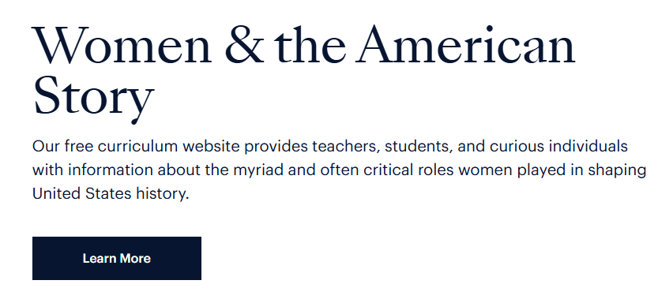
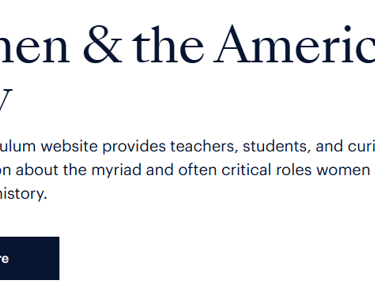
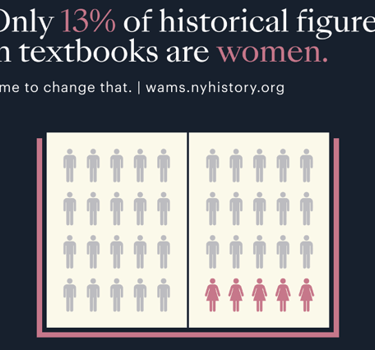
Let me start with their own description of their project's goal - "WAMS is a free curriculum project providing primary sources, life stories, essays, and learning activities about the myriad and often critical roles women played in shaping United States history." But in this presentation at the NCSS virtual conference, Dr. Strong was focusing on a specific target audience - elementary reading/social studies teachers. The following slides are evidence from her research and/or presentation:
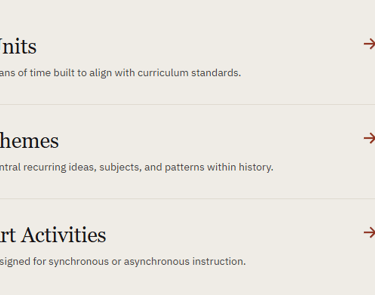
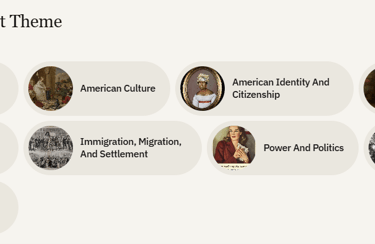
So what does WAMS have available for teachers to work with? Unlike I did in Post #1, I'm not going to focus on a specific lesson from the curriculum, but instead contrast their main ways of organizing their content: a) by UNIT; b) by THEME; and c) as ART ACTIVITIES. We will then look in more detail at what they are putting together to support elementary teachers using children's literature to support social studies content. I've already given you a listing of the ten units above, so in this next section I'm going to feature the America 250 content presented at the conference:
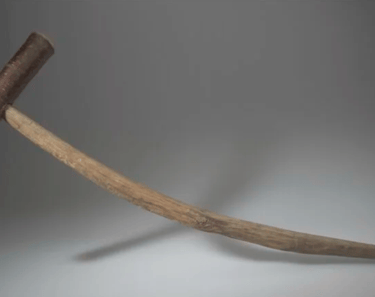
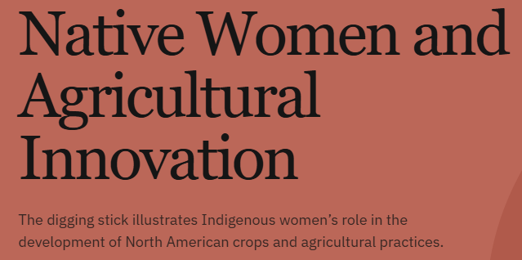
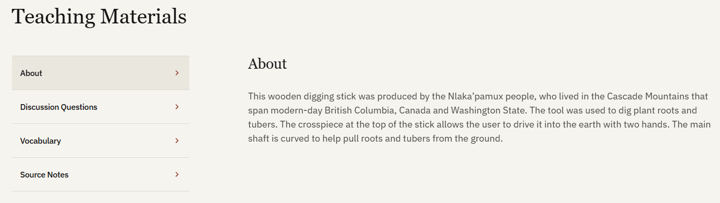
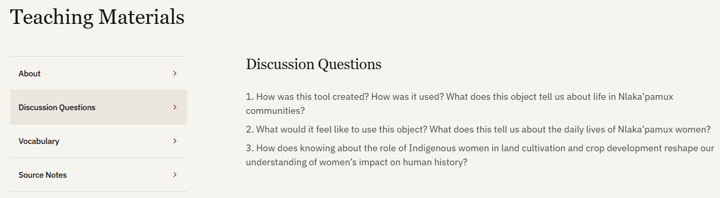
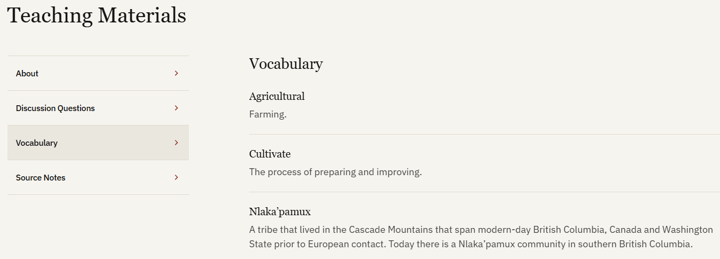
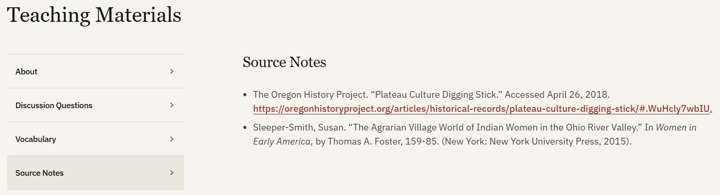
If you go into a specific event (I give 3 examples below out of about 60 in this first unit) you don't get a specific lesson plan, but instead a variety of resources that teachers can integrate into existing lessons OR combine with other WAMS resources to create a lesson. Below I'm showing you examples on a single resource ("Native Women and Agricultural Innovation") to see what you get in each tab of the Teaching Resources. Again, the links will be available at the end:
Resources and Links for the "Women & the American Story" series from New York Historical (and some other NY Historical links):
Women & the American Story main page (website), New York Historical, https://wams.nyhistory.org/
Within WAMS - Subject Materials by Unit (simply click the unit in the timeline at the top of the page), https://wams.nyhistory.org/unit/
Within WAMS - Subject Materials by Theme (simply click the theme at the bottom of the page where it says "Filter by Theme"), https://wams.nyhistory.org/theme/
Within WAMS - Art Activities (list of available activities is provided - you can also use search tools on the left side of the page), https://wams.nyhistory.org/art-activity/
Within WAMS - Life Stories (Brief biographies of individuals, both well-known and unfamiliar - the default is sorted by chronological order), https://wams.nyhistory.org/life-story/
Within WAMS - Video Clips (Short yet engaging animated videos based on inspiring women’s stories and key themes - produced in partnership with the Untold History project), https://wams.nyhistory.org/video/
New York Historical main page (website), New York Historical, 2026, https://nyhistory.org/
Within NY Historical - Center for Women's History (the center runs exhibitions and programs on women's history within the scope of the larger NY Historical museum), https://nyhistory.org/womens-history
Within NY Historical - Education Curriculum Library (general educational materials outside the narrower scope of women's history), https://nyhistory.org/education/curriculum-library
Within NY Historical - Untold History video project (as mentioned above, a project to produce animated videos in a variety of subject areas - theme list available at the website), https://untoldhistory.org/
Resources and Links associated with the WAMS children's literature project:
"Picture Book Connections to WAMS Units" (Google Doc spreadsheet)", Women & the American Story, https://docs.google.com/spreadsheets/d/1Rp2QwbYicEXK7E0LgkIXcf5HAe4Umu6w-SPG-e1m7I0/edit?gid=0#gid=0
"Reading the World" (website), Utah State University School of Teacher Education and Leadership, https://cehhs.usu.edu/teal/centers-and-labs/reading-the-world/
NOTE: I will get a little more into children's literature in the 3rd and final NCSS session when I look at a session focusing on a single new picture book - "Liberty's Forgotten Hero" (the story of James Forten). After that post, I will switch my focus to new PD sessions coming up from July conferences . . .
Links/Resources for the WAMS Children's Literature project:
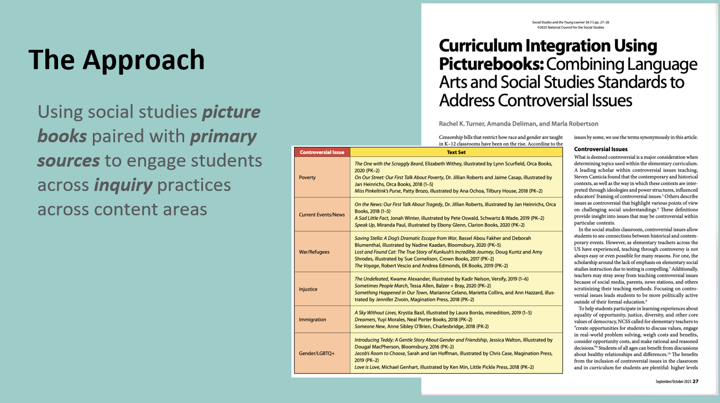
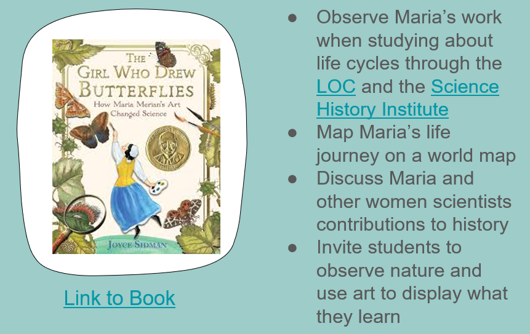
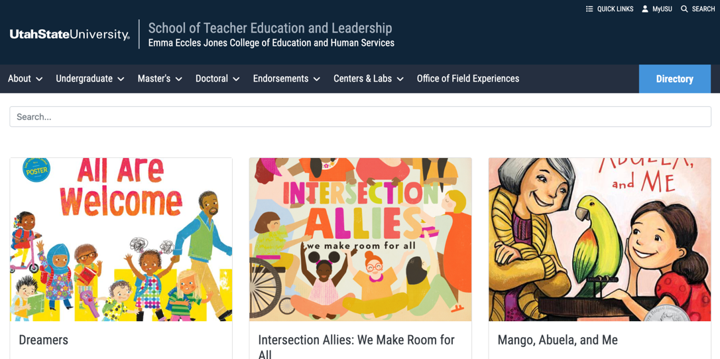
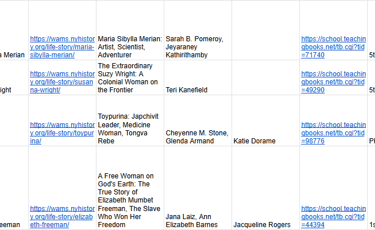
There are two main pieces of the children's literature project at this point. First, WAMS is putting together a Google Doc to collect suggestions of books about women of particular time periods. In the spreadsheet they then link each book to the appropriate WAMS unit, as well as 1-2 other sources on the person being depicted. I'm giving you a couple of screenshot examples below - then the link to the Google Doc will be in the list at the end. Dr. Turner also provided a link to a similar project she is working on at Utah State University:
ECON and More
Curating articles for K-12 education.
CONTACT
© 2025. All rights reserved.