Release of the Childrens Book Council's 2026 Kids Favorites Book List
I meant to do this one earlier in the week, but the combination of my wife's Spring Break and a variety of projects means I am a little behind (also the reason posts have been every other day this week and last). The annual list of Kids Favorites books for 2026 came out from the Childrens Book Council on Monday, and while there is not the direct tie-in of the NCSS Notable Books earlier this year, as a K-8 teacher I always looked for any opportunity to get kids reading (even if it wasn't my subject area)
If you are into reading or libraries (or maybe had kids over the past 50 years), this is a relatively-new branding (maybe 4-5 years ago) for the old "Children's Choices" booklists that began in the 1970s. This program gives students, teachers, and librarians an opportunity to vote for themselves on which recent books have made an impact on them (rather than just getting lists from "experts" or publishing companies of what students "ought" to read) 🤔.
They release the lists at four different age/grade groupings:
Kindergarten to 2nd Grade
3rd Grade to 5th Grade
6th Grade to 8th Grade
9th Grade to 12th Grade
At each of those levels, then, they release three different lists each year - books chosen by the students, books chosen by teachers at that level, and books chosen by librarians for students/teachers at that level. Currently only the student lists have been released, so I may do an additional post "down the road" when the teacher/librarian lists are released. Usually there is a certain amount of overlap, particularly because the teachers and librarians are the ones who often recommend good books (like the Newbery and Caldecott winners and honor books each year) AND are also the ones who get kids to vote for their favorites.
Again, I know not everyone is into reading, and as a teacher (particularly if you have a specific subject area as opposed to a general ed focus) you may wonder "What's the big deal?" But I have always believed in the value of using stories and analogies as ways to help students relate to different environments, historical periods, or even economic choices. And of course, some of my favorite economics and financial literacy lessons have come from people like Mary Suiter (retired from the St. Louis Fed) and Lynn Stover/Lauren Shifflett (from the Virginia Council for Econ Ed) on using children's literature to integrate money or ECON lessons into K-5 classrooms.
(As an aside, just saw Lauren doing a virtual PD session for Arizona K-5 teachers on "Economic Detectives on the Case" - if you get a chance to see her in action you should take advantage! If nothing else, you always leave with a ton of resources and classroom ideas.)
A couple of things to note here. One, unlike the NCSS Notable Books list, these lists have equal numbers of recommendations at each grade level. Having said that, my bias is that the elementary ones are usually the easier books to potentially incorporate into YOUR classroom - short readings, lots of pictures, good content - rather than recommending to an independent reader outside of school. Finally, remember that these are a mix of fiction and non-fiction at the elementary levels, and probably 80% fiction at the secondary levels.
Links to the Kids Favorites book lists from the Childrens Book Council:
Main page for the Childrens Book Council - https://cbcbooks.org/
Main page on the Children's Book Council website for the Kids Favorites lists - https://cbcbooks.org/awards-and-book-lists/kids-favorites/
Printable PDF list of all the winners - https://cbcbooks.org/wp-content/uploads/2026/03/KidsFavorites2026.pdf
Annotated list of award winners with book covers and links to publisher/author websites (NOTE that the 2026 winners are at the top of the page - winners from the last three years are further below) - https://cbcbooks.org/readers/searchable-reading-lists/kids-favorites-lists/
Downloadable and sortable spreadsheet of the same information (without the book covers) - https://docs.google.com/spreadsheets/d/1heu6G6c_LkVpBrl3Gg80mzjUkjg6zZQ-PQ5-DTRLXr0/edit?gid=0#gid=0
Links to the books featured (in the order presented above):
Neil Sharpson's personal blog - https://unshavedmouse.com and specific book page - https://www.penguinrandomhouse.com/books/715509/dont-trust-fish-by-neil-sharpson-illustrated-by-dan-santat/
Azul Lopez's author page - https://azullopez.com, Instagram page - https://www.instagram.com/onceuponazul and specific book page - https://www.tapiocastories.com/product-page/croco-english-language-edition (NOTE - make sure you click "read more" for book details)
Remy Lai's author page - https://remylai.com/ and specific book page - https://us.macmillan.com/books/9781250863294/chickenpox/
Nic Stone's author page - https://www.nicstone.info and specific book page - https://mimshousebooks.com/collections/award-winning/products/climate
Book Page for "Minh and the Magic Grains of Rice" - https://www.edelweiss.plus/#sku=1797213334&page=1 (NOTE - make sure you click on the title to get details about the story and author/illustrator)
Katerina Gorelik's author page - https://katerinagorelik.com and specific book page - https://www.redcometpress.com/picturebooks/charley
Selene Castrovilla's author page - https://selenecastrovilla.com/ and specific book page - https://astrapublishinghouse.com/product/george-washingtons-spectacular-spectacles-9781662680434/
Zed Zha's author page - https://www.zedzha.com/why-we-eat-fried-peanuts and specific book page - https://www.quarto.com/books/9780760395523/why-we-eat-fried-peanuts
The Atlas Obscura company page - https://www.atlasobscura.com and specific book page - https://www.hachettebookgroup.com/titles/dylan-thuras/the-atlas-obscura-explorer%e2%80%99s-guide-to-inventing-the-world/9781523516889/
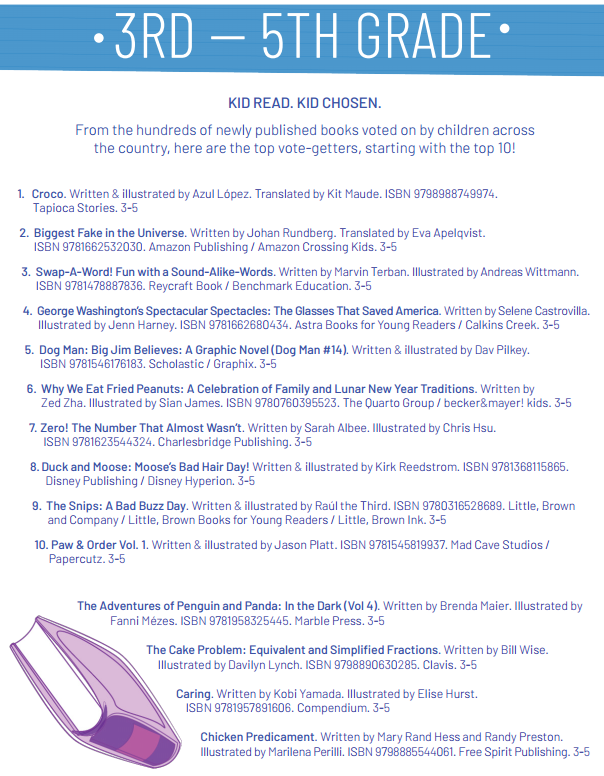
Each of the four grade-level lists this year are about 2-3 pages long - so probably 25-40 books on each list (except at the K-2 level, where the list of picture books is longer) . The format for each list is to put the Top 10 vote getters at the top of the list, and then the "honorable mention" choices afterward in alphabetical order (I put one example below to demonstrate what I mean).
Rather than include the whole thing here, I'm going to provide links for the list in several formats (PDF text, an annotated list with book covers pictured, and a sortable spreadsheet of selections) below in my resource list. Instead, like last time I'm going to feature a few selections below - each of the top vote getters for the 4 grade-level lists (just so you are aware of them) and then a few that might have ways to integrate them into classrooms beyond K-5. I will also link the lists of winners from previous years:
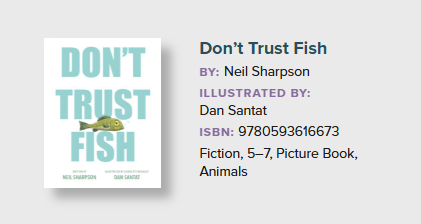
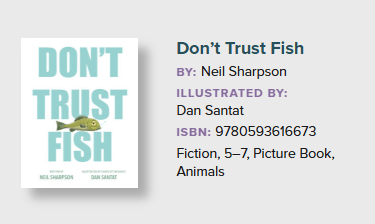
1st Place in the K-2 realm is this hilarious, off-the-rails exploration of the seemingly innocent animals that live in the water. Just one example why not to trust fish . . . no one knows what they are teaching in their “schools.”
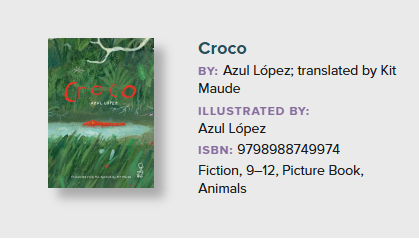
1st Place in the 3-5 grouping, this book was originally written in Spanish and translated for a world audience. In a vibrant tropical jungle, Croco the Crocodile has fallen into a hole and can't climb out. Different animals come along to try to help him, but in the end, he must find his own way. Very colorful illustrations throughout.
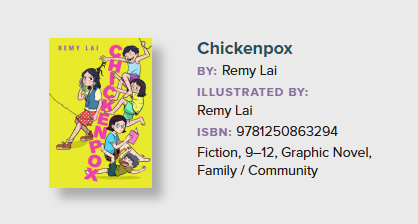
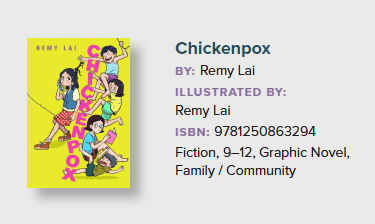
The 6-8th grade top book won a LOT of awards in 2025. This contemporary graphic novel is about eldest sister Abby, who is sick of being trapped at home with her FOUR younger siblings as they all suffer from the chickenpox. Full of heart and hijinks, Chickenpox showcases what gets us through good times and bad: family.
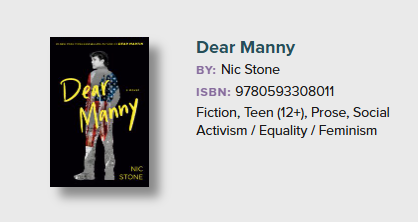
The high school winner is the final book in a trilogy by Nic Stone. As the author writes in the book's opening, the theme is "how to be a person in a multicultural world where you have to be in relationship with lots of people, many of whom look, think, feel, and believe differently than you do"
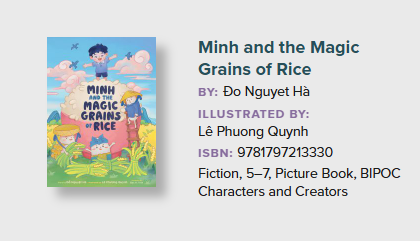
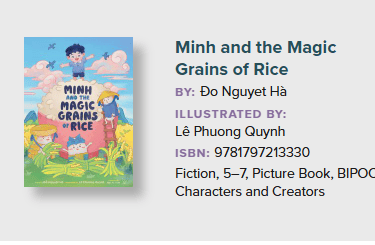
A modern reimagining of a Vietnamese folktale has been beautifully revised for this global edition. The story beautifully illustrates the age-old process of growing and harvesting rice - lots of potential connections to geography, world cultures, and use of economic resources.
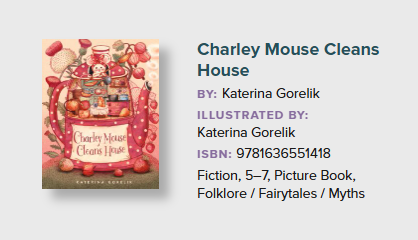
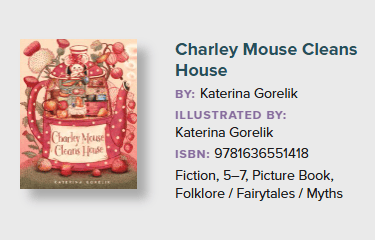
Charley Mouse loves cleanliness and order. Even the cheese crusts in her cupboard are organized by variety and size! Keeping the house in order is not difficult for her - she works as a house cleaner. Join Charley Mouse during her busy week as she visits some familiar fairytale characters whose houses are in need of her talents.
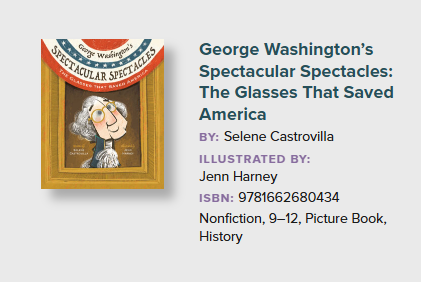
Good historical connections to the end of the Revolutionary War in this one. Did you know that George Washington had a secret? He wore glasses! Based around the real story of the Newburgh Conspiracy, this book presents Washington as a real person, not just a legend of American history.
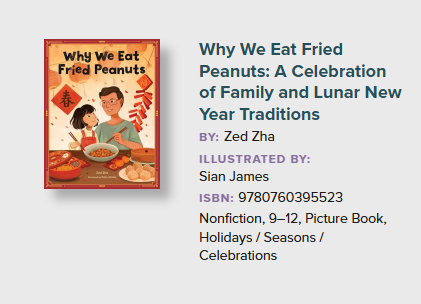
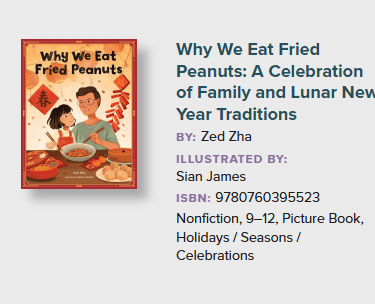
Join Mèng, a Chinese American girl, as she prepares for the Lunar New Year festivities with her family and discovers the significance of ancestral stories and the history behind the Mandarin language and traditional foods eaten during the holiday. Good connections to world history and cultures, as well as cultural holidays.
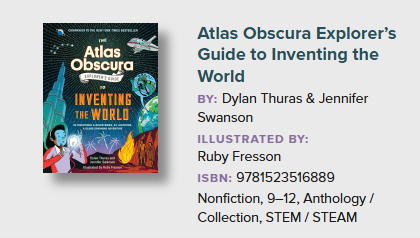
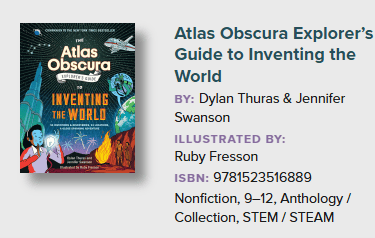
A lot of lesser-known stories of inventors and entrepreneurship from around the world. This illustrated and STEM-oriented exploration of the planet’s 50 most interesting inventions focuses on world-changing technologies and how simple discoveries led to technology and tools we often take for granted.
ECON and More
Curating articles for K-12 education.
CONTACT
© 2025. All rights reserved.